
Motaquip: Why ball joints on EVs need to be tough!
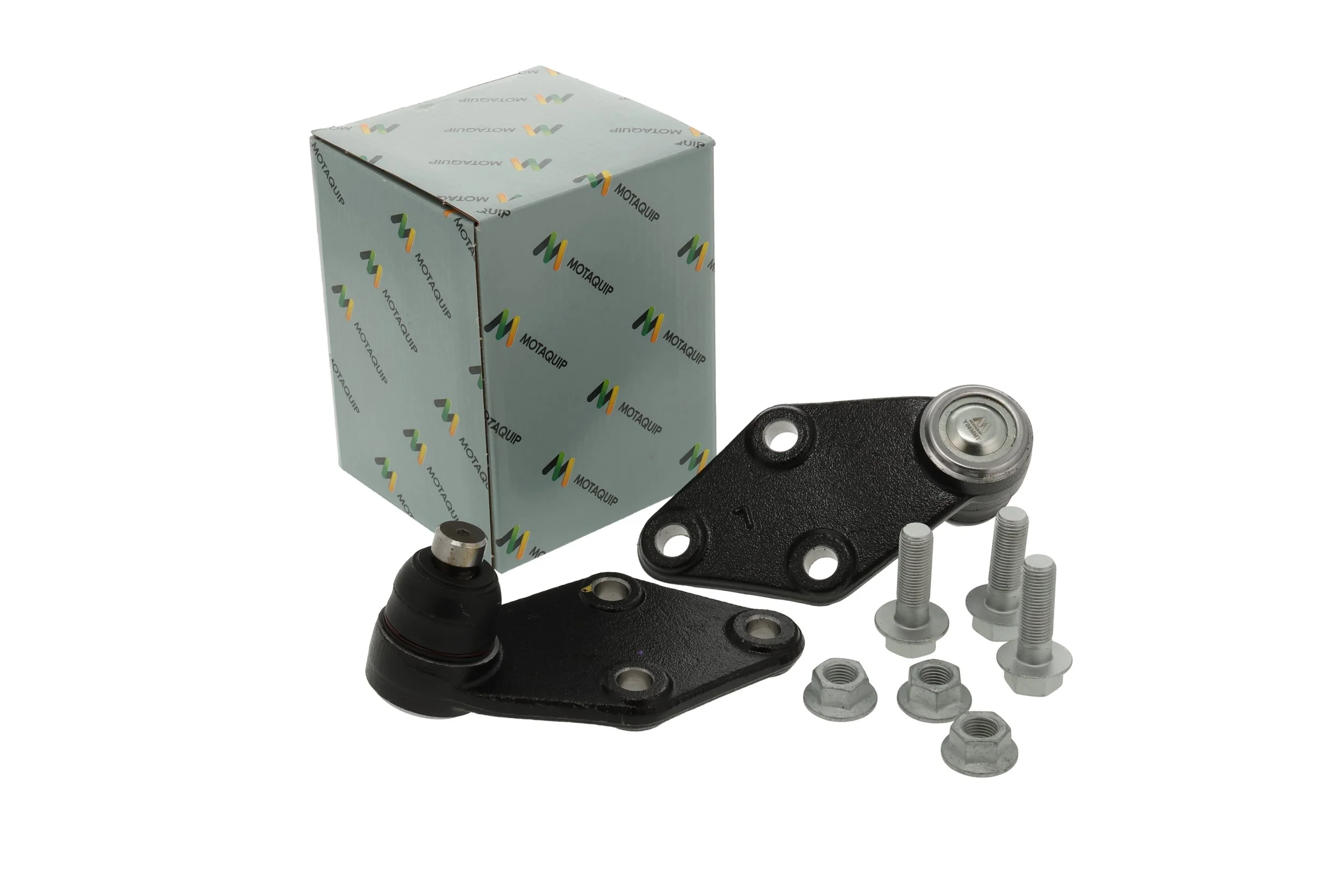
Ball joint replacement may be routine in the workshop, but in electric vehicles (EVs) – like the MG ZS EV (2017-onwards) – it carries added importance due to higher loads and unique driving characteristics, according to Motaquip.
Ball joints are important suspension components that act as pivot points between a vehicle’s control arms and wheel hub. They allow controlled vertical movement of the suspension while maintaining controlled movement. In most designs, lower ball joints absorb the majority of a vehicle’s weight and handling forces, while upper ball joints often maintain alignment.
EVs introduce new challenges; increased battery weight, instant torque delivery and regenerative braking all contribute to higher stress levels on front suspension components. As a result, ball joints must be engineered and installed correctly to ensure safe and reliable operation.
A well-engineered ball joint should help steering accuracy and vehicle control, as well as help prevent uneven tyre wear and provide a quieter and smoother ride.
Key considerations for technicians…
Understand increased load demands: Typically, EVs are heavier than their internal combustion engine counterparts – thanks to the battery packs. This increases the load on the joint under braking and during cornering.
Account for instant torque forces: Electric motors deliver instant torque, which creates sharper shear forces through the suspension system. It is vital that ball joints can withstand these sudden load changes – without premature wear.
Be wary of regenerative braking impact: Regenerative braking pushes weight forward more aggressively than conventional braking systems. This puts strain on the front axle, including the ball joints.
Early warnings signs identifiable: Because EVs are quiet, noises – creaking, knocking or friction – are easier to detect and, therefore, so is diagnosis. Discovering issues early should prevent further damage and reduce repair times.
Best practice important
When replacing ball joints, Motaquip encourages technicians to use the correct torque settings because over or under-tightening can damage the joint and, consequently, make a detrimental impact on performance.
Furthermore, Motaquip recommends following manufacturer guidelines and, when being fitted, ball joints on both sides are changed.