
Motoring expert reveals four tips for EV charging without a driveway
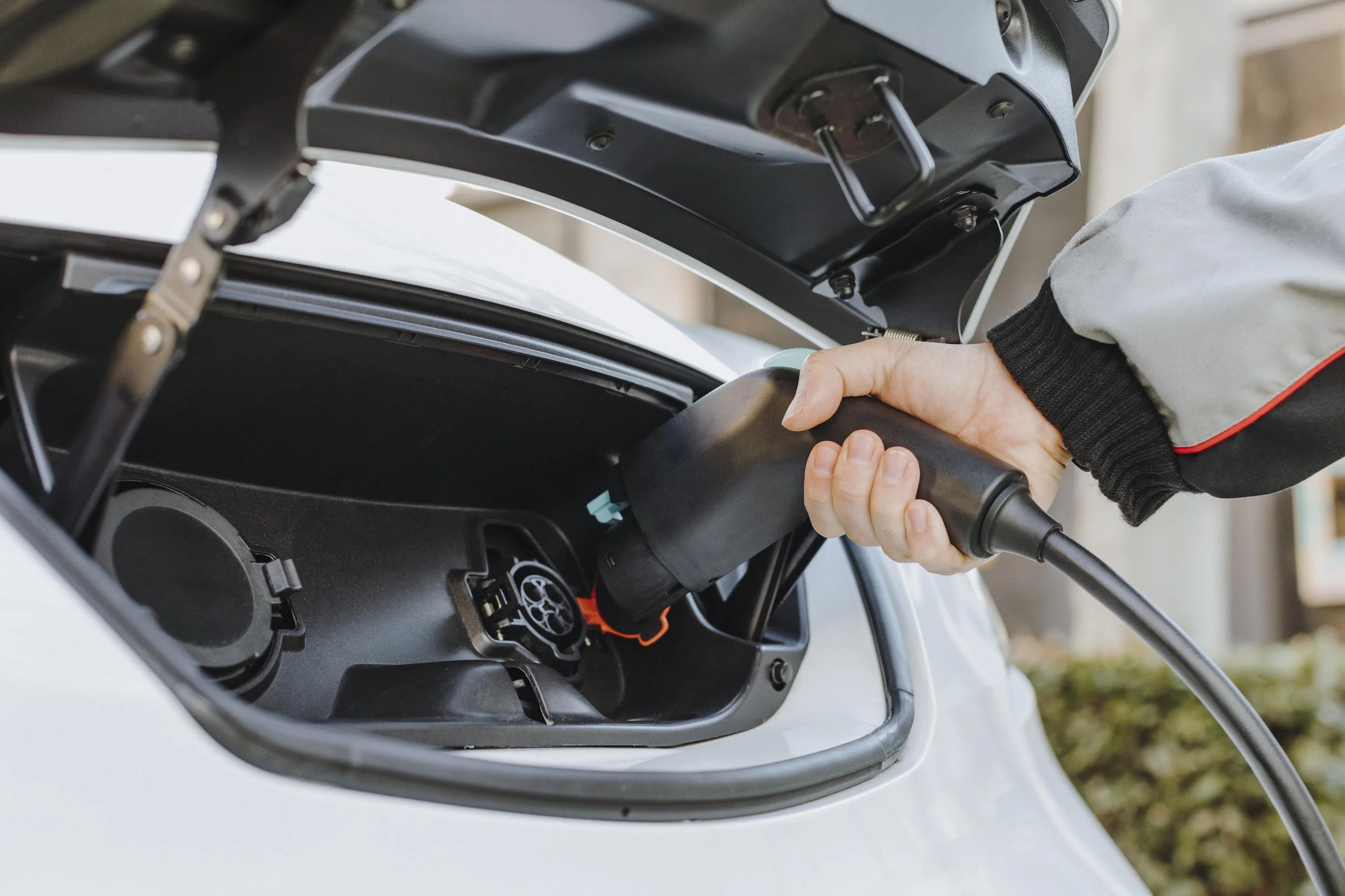
The Government has allocated £25 million to local councils to support pavement cable gully schemes in England
Searches for ‘cheapest EV tariff’ are up by 173% in the past 12 months as drivers look for money-saving opportunities
More than 40% of UK households don't have access to off-street parking, meaning millions of drivers can't simply charge an electric vehicle on their driveway and, while the UK's public charging network continues to expand, access to convenient and affordable charging still depends heavily on where you live.
In fact, Vertu have identified that searches for ‘cheapest EV tariff’ and ‘kerbside EV charging’ have increased by 173% and 125% respectively over the past three months, as drivers assess whether making the switch to an electric vehicle is genuinely more cost effective.
To help drivers understand their options, Brad Holmes, Sales Executive at Vertu Geely Kings Norton shares advice on what to consider when it comes to charging an EV at home:
"Not having a driveway doesn't automatically mean owning an electric car isn't possible, but it does mean doing a little more research before you buy. Where you live, where you park and how you plan to charge can have a big impact on both convenience and running costs.
"The good news is that charging options are improving all the time. Public charging networks continue to grow, more landlords and property management companies are introducing shared charging facilities, and an increasing number of councils are rolling out cross-pavement cable gully schemes to help residents without driveways charge safely at home.
"Before committing to an electric vehicle, I'd recommend checking what charging infrastructure is available near your home, whether there are any local council schemes you could benefit from, and how much nearby public charging is likely to cost.
“Spending a bit of time researching these practicalities beforehand can make day-to-day ownership much easier and help avoid unexpected running costs."
Here are Brad’s four research points to consider when deciding on an EV:
Find out what public charging options are available where you live
Before buying an EV, check what infrastructure already exists near your home. While the UK now has more than 119,000 public charge-points, availability still varies considerably between towns and local authorities.
First, look for nearby on-street charging facilities and destination chargers, which can often be found at a supermarket or retail park. It’s also worth checking if you have a residential charging hub if you’re living in a flat, and finally, check to see if your workplace provides charging facilities.
Apps like ZapMaps, Electroverse and Plugshare can help you locate public charging points, compare pricing and may even give live availability before you travel.
Check whether your council offers a cross-pavement cable gully scheme
If you don't have a driveway but regularly park outside your home, it's worth checking whether your local council offers a cross-pavement cable gully scheme. These schemes allow homeowners to install a small channel in the pavement so they can safely run a charging cable from their property to their vehicle, without creating a trip hazard for pedestrians.
However, availability varies by location, with some councils already accepting applications while others are still trialling or developing the scheme.
Before buying an EV, take a look at your local authority's website and search for terms such as ‘cable gully scheme’, ‘cross-pavement charging’, or ‘pavement charging’ to see what's available in your area. If a scheme isn't currently in place, it's also worth checking whether there are any plans for one in the future, as more councils continue to introduce support for residents without off-street parking.
If you're renting or live in a flat, don't assume home charging isn't an option
If you rent your home or live in a block of flats, it's worth exploring what charging options are already available before deciding that an EV isn't right for you.
As demand grows, more landlords, housing associations and property management companies are installing shared charging facilities or making provisions for future installations.
Before buying, ask your landlord or managing agent whether EV chargers can be installed, if there are plans for communal charging points, whether your allocated parking space is suitable, and if any government funding is available to help with installation costs.
Even if charging isn't currently available, planned upgrades could make owning an EV much easier in the near future.
Compare charging costs, not just the price of the car
The upfront price of an EV is only part of the picture. If you'll be relying on public charging, it's important to understand how much you'll actually pay to keep your car topped up, as prices can vary significantly depending on where and when you charge.
Before committing to a vehicle, compare the prices that are charged by nearby public charging providers, look into off-peak charging rates where available, and check the difference between rapid and slower charging options.
It's also worth seeing whether charging network memberships or subscriptions could reduce your costs and remember that two drivers with the same electric car can end up having different running costs simply down to where they charge their car – in the same way that filling up with petrol at two different fuel stations would have different costs.