
What you see is what you get in this industry
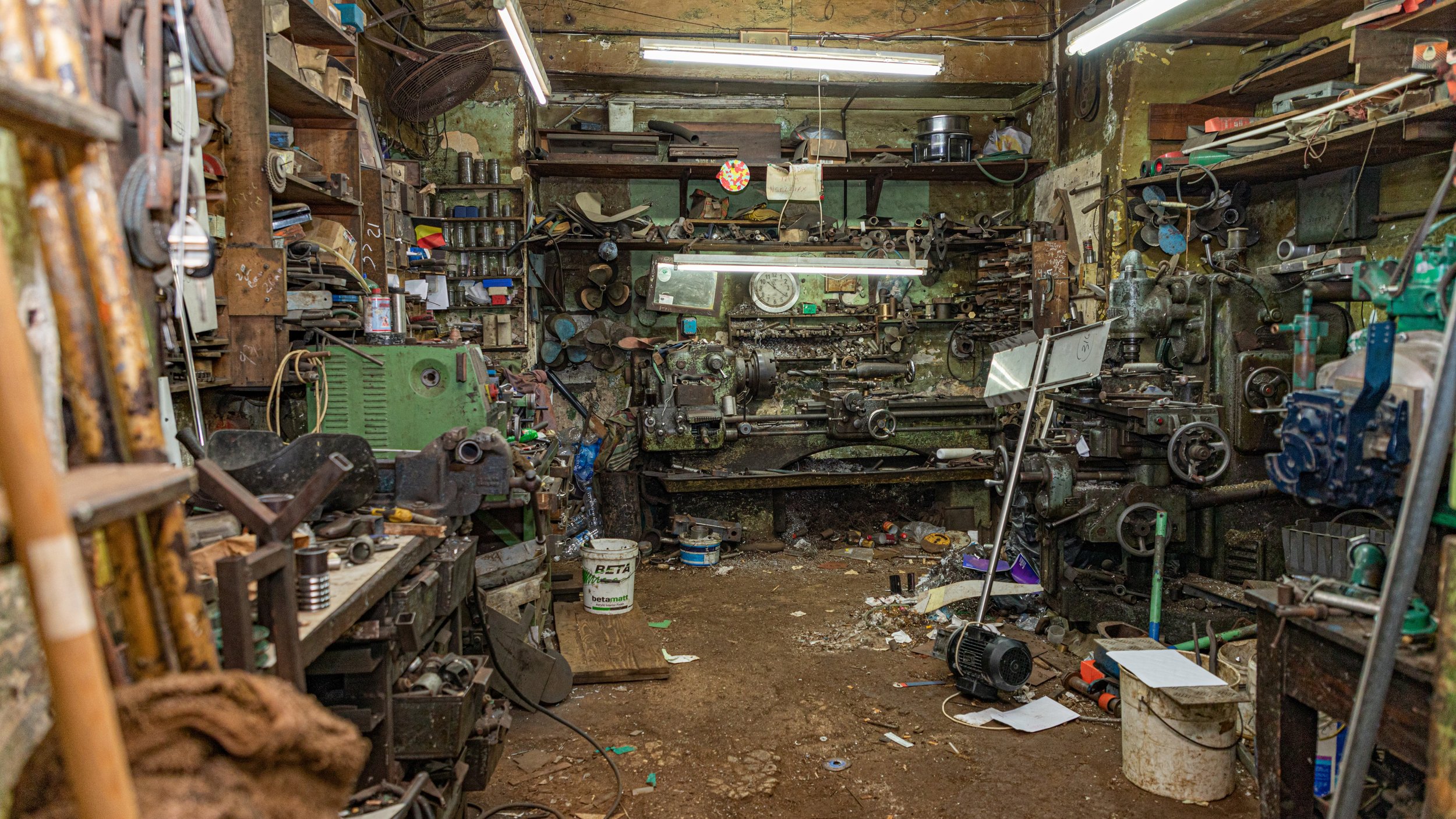
Written anonymously by a Garage InsideR
Pull up outside your own place and sit there for a moment. Don’t think like the owner, think like a new customer.
What does the building say about your business?
For a lot of independents, the loudest branding on site is not theirs. It’s parts suppliers, oil companies, finance firms and tyre brands. Flags, boards, posters and stickers everywhere. A real hotchpotch of colours and logos. If a customer can’t see who they’re buying from, there is a risk they don’t feel they’re buying from you at all.
You are not a free advertising site for other people. You are a business that happens to use suppliers, but the building should tell your story, not theirs. One clear identity. Yours. Use supplier material where it genuinely helps but be strict. If it doesn’t fit your image, get rid. This is your stage, not theirs.
Then there’s the workshop
The area customers find most interesting and the space many owners are most embarrassed about. There’s still this old idea that a proper workshop is meant to be rough round the edges. Oil on the floor, rags everywhere, old parts piled in corners and bins overflowing. None of that is necessary for fixing cars, it just shows a lack of standards.
A clean, organised workshop sends a very different message. Floors swept, spills dealt with straight away, waste in proper containers, tools put back and not abandoned on wings and scuttle panels! Seat covers and floor mats in every car as a habit, not as a special favour, this isn’t about huge investment, it’s about discipline and making it clear this is just how you work here.
Reception can be even worse. Counters buried under paperwork. Faded posters. Handwritten signs stuck everywhere. You walk in and the first thing you feel is noise and clutter. The famous lists of rules. No food. No drinks. No smoking. No this. No that. It might all have grown slowly over years, but that does not make it right.
You’re blind to it
The danger is that you and your team no longer see any of it - you walk past that peeling sign every day and it becomes part of the furniture. The walls close in with more and more messages and you think nobody notices…but customers do. They notice the chaos. They notice the dirt on the skirting boards. They notice the dead fly on the windowsill that has sat there all week.
You need to build a habit of looking at the place with fresh eyes. Once a month, come in from the road and walk the route your customers take. Through the gate, across the yard and in through the door. Stop in reception. Look slowly. Ask yourself the question. “If I had never been here before, what would I think?”
Then do the same for the workshop. Stand where a customer might stand. Would you be happy for them to wander in and look around? If the honest answer is no, you’ve got some work to do.
Shift your standards
You can spend serious money on appearance. New floors, cladding, glass offices, fancy coffee machines, digital screens. Some garages have gone that way and it works for them. But the basics don’t cost the earth. A lick of paint, some cleaning or an afternoon where everyone mucks in and clears the rubbish that has built up for years. The real shift is not money, it’s deciding that a certain standard is now non-negotiable.
Workwear is part of this. Mixed brands, old logos, stained polo shirts and ripped trousers send one type of message. Clean and consistent clothing sends another. Staff might complain, but that’s tough - customers won’t, and they’ll feel more comfortable when the people handling their keys look professional. If someone constantly turns up grubby and refuses to improve, you have to ask if they are the right fit for the front line of your business.
In the end, this is all about trust
Most customers can’t judge the technical quality of your work, but they judge what they can see; and if you clearly care about your building, your reception, your workshop and your team, they will assume you care about their car as well.
Tomorrow, do that simple exercise. Arrive as a customer, really look around and make a list of what to improve. Your appearance is talking for you whether you like it or not - so make sure it’s saying the right things.