
When equality drifts away from inclusion
Written anonymously by a Garage InsideR
The automotive aftermarket has spent the last few years having long-overdue conversations about equality. Women are absolutely right to ask for parity, representation and respect in an industry that has not always offered it.
Just as importantly, many women have been clear about what they want: to be recognised for their skills, experience and achievements - not defined by their gender.
That principle should sit at the heart of every initiative claiming to support equality.
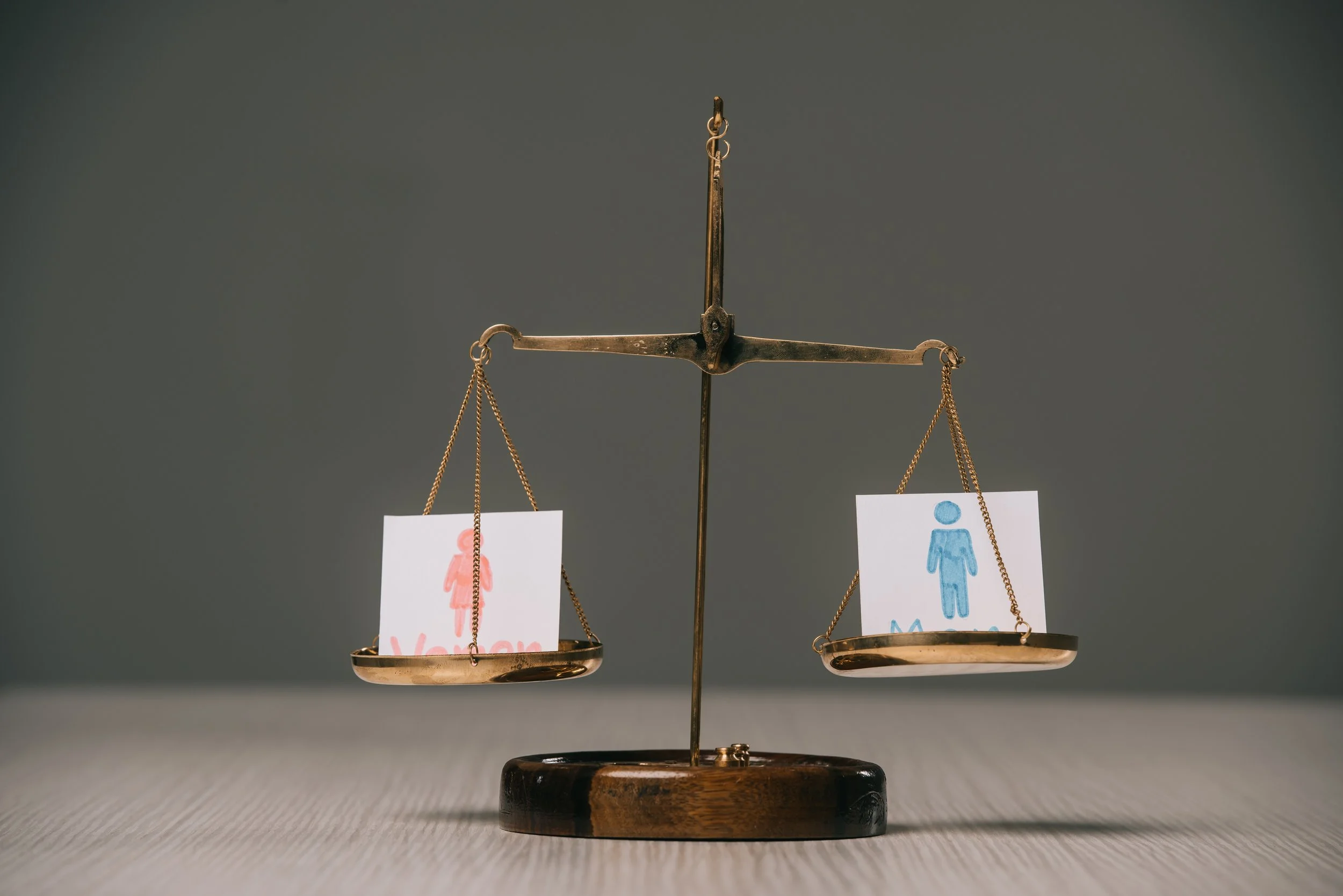
As new groups continue to appear across the industry, it is worth pausing to examine not just who they are for, but how they position themselves. Some group names, slogans and messaging risk implying that women are better than men, rather than equal to them. While often intended as empowerment, this kind of framing can unintentionally undermine the very parity women are rightly seeking.
If women want jobs, promotions and influence because they are good at what they do - not because they tick a box or serve as a token gesture - then narratives built on comparison rather than competence deserve scrutiny. Being selected because you are excellent is not the same as being selected because you are female. True equality relies on merit, not symbolism.
This is where popular language and hashtags also matter. Phrases such as “women supporting women” are well intentioned, but they can reinforce separation. If the goal is genuine inclusion, the ambition should be broader: men supporting women, women supporting men, and ultimately people supporting people. Equality does not thrive in closed loops.
This is not an argument against women-only spaces. They can be valuable and, in some cases, necessary. But safe spaces should empower individuals, not promote isolation. They should build confidence that carries into the wider industry - not create parallel conversations that never intersect.
It is also important to recognise that gender alone does not equal diversity. Women are not a single, uniform group. Ethnicity, background, class and lived experience all shape perspective. A space defined by one characteristic does not automatically represent inclusion in its fullest sense.
The aftermarket already has inclusive initiatives that support women while encouraging collaboration across the industry. The Automotive 30% Club, Women in Automotive Network and similar organisations focus on balance, measurable progress and shared responsibility. Even the evolution of industry councils toward explicitly inclusive language reflects a recognition that equality cannot exist in isolation.
This platform has always found that real progress happens when conversations are open, balanced and inclusive - when people are recognised for what they bring to the table, not placed there to satisfy a narrative.
The aftermarket does not need more silos, and it does not need messaging that unintentionally weakens the case for genuine equality.
If equality is the goal, inclusion has to be the method.
As new groups and initiatives emerge, the industry must ask itself a simple but vital question: are we promoting merit, openness and shared progress - or replacing one form of exclusion with another? Equality worth having is built on competence, trust and mutual respect.
Because real equality isn’t about being better than someone else - it’s about being valued for what you can actually do.