
Why Mechanics Hate Working on Their Own Cars By Sam Singleton
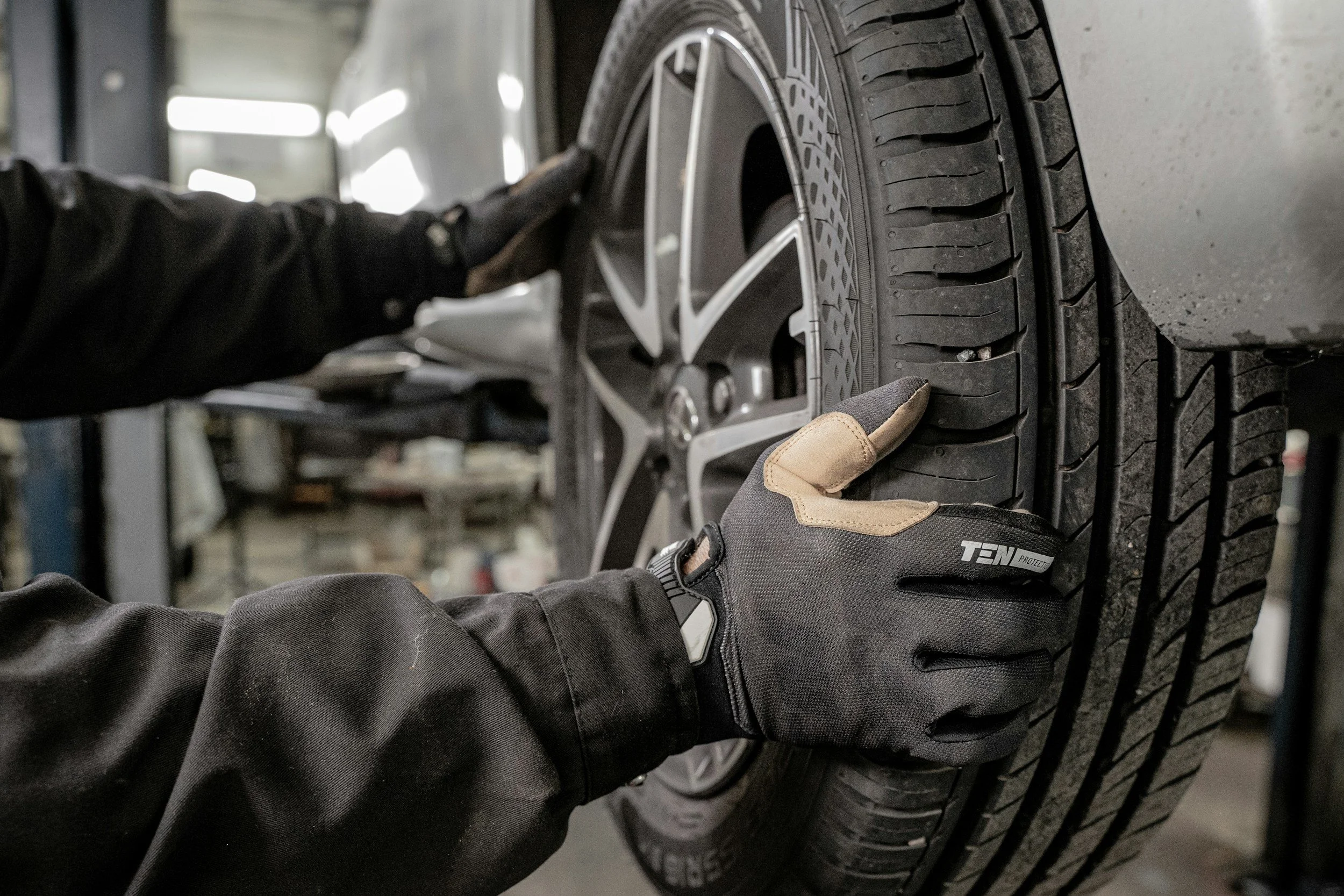
For about six months now, my colleagues have known when I’ve arrived at work before they’ve seen me, my rear brakes announce it.
Every morning, somewhere between pulling into the workshop and finding a parking space, there’s a scream from the back of my car that sounds roughly like a mouse being tortured, it’s horrible. I haven’t fixed it.
That probably isn’t the best advertisement for somebody who has spent nearly sixteen years repairing cars, but most mechanics will recognise the problem. After spending all week fixing everybody else’s car, the last thing you want to do is start working on your own.
In my defence, I know what the noise is. A while ago I fitted cheap rear pads. They produce a heroic amount of brake dust, it builds up, and eventually the brakes make their daily contribution to workshop morale. I know the pads have plenty of material on them, I know why they’re squealing and I know what I need to do about it, I just can’t be bothered.
That knowledge is part of the problem. A driver hears a new noise and quite reasonably thinks something is wrong. A technician hears it and starts subconsciously triaging.
That matters. That can wait. That’s annoying but harmless. I’ll look at that next weekend, next weekend can last six months.
Then there’s the busman’s-holiday problem. At work I’ve got a ramp, proper lighting, tools and diagnostic equipment. At home I’ve got a driveway and the opportunity to remember why lying under a car on axle stands stopped being fun about fifteen years ago.
Jobs on your own car also have a habit of expanding. “I’ll sort that little noise” becomes “while I’m in there...” and suddenly a Saturday morning job has become a list of bushes, clips, fluids and other things you’ve been mentally storing for months.
The useful lesson is that experience helps you judge what can wait, but it can also make procrastination dangerously easy. “I know what that is” isn’t the same as “it doesn’t need doing.” There’s a big difference between understanding a harmless squeal and ignoring worn tyres, brake pads, leaks or suspension faults because you know roughly how long you can get away with them.
The rule I should probably follow myself is simple: occasionally treat your own car like a customer’s. Inspect it properly, make the list, and deal with the safety-critical stuff first. If I’d tell a customer not to put something off, I probably shouldn’t put it off either.
I should probably start with my rear brakes.
My colleagues would appreciate it, even if they have to find something else to laugh at.