
An Apprentice’s Guide: What your customer’s tyres are telling you
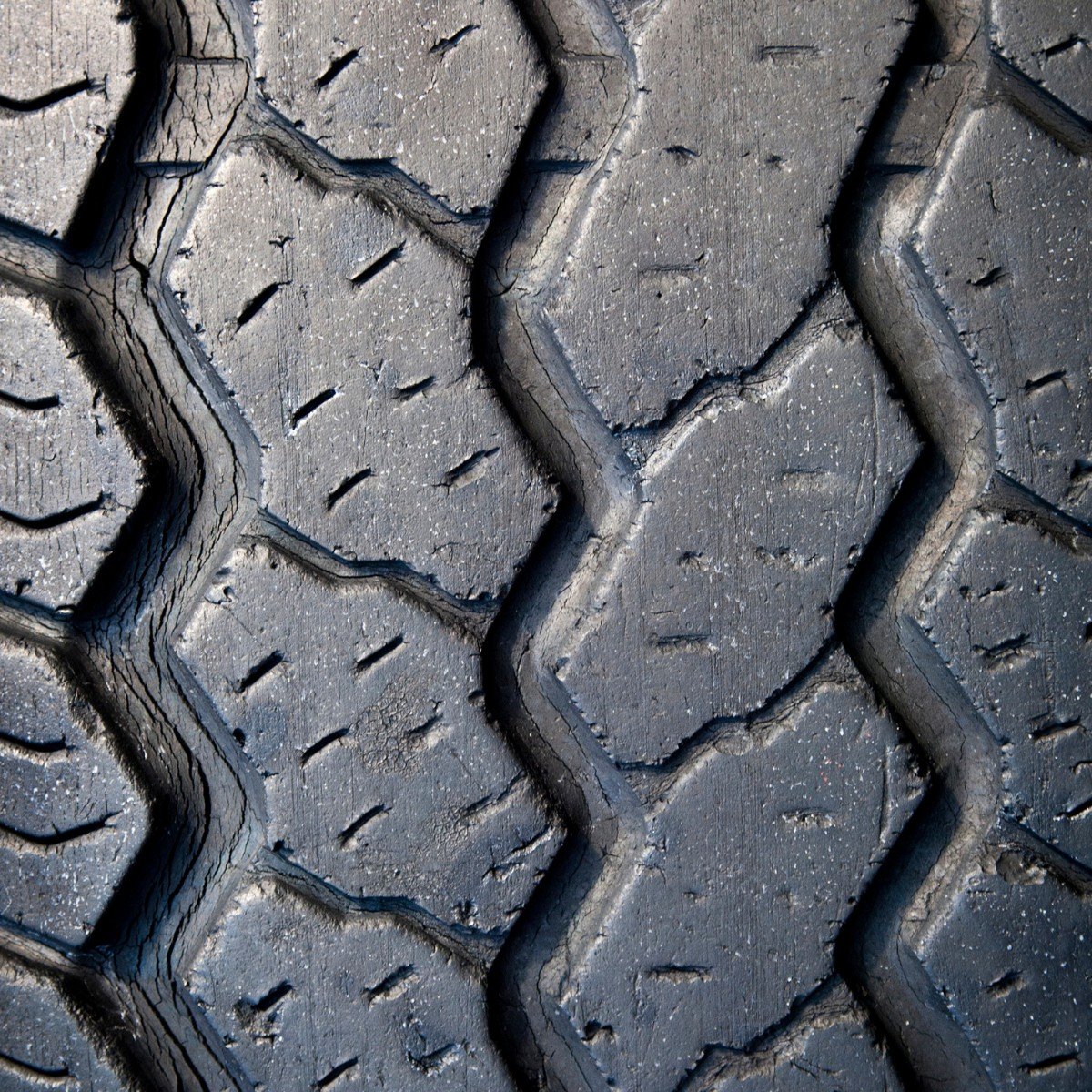
Learning to spot the diagnostic clues hidden in plain sight
By Julia Blake, Marketing Director, Supertracker
A tyre records the faults a vehicle has been driving with.
One of the most valuable skills an apprentice can develop is learning how to read those clues.
Long before a warning light appears on the dashboard or a customer complains about handling, the evidence is often already there in the tread.
At Supertracker, we spend a lot of time working with workshops that are diagnosing alignment and suspension issues. One of the biggest lessons for anyone starting out in the trade is that the tyre isn't usually the problem. It's the clue.
Every wear pattern tells a story about how a vehicle has been set up, maintained and driven. Learning to read that story can help technicians identify faults more accurately and avoid replacing parts that aren't causing the issue.
Don't just look. Feel the tyre.
An often overlooked aspect of tyre inspection is that some wear patterns are easier to feel than they are to see.
Inner-edge wear is regularly missed because it sits underneath the vehicle and isn't visible during a quick walk-around inspection. Feathering often becomes obvious to the hand before it becomes obvious to the eye.
That's why one of the simplest habits technicians can adopt is to physically run their hand across the tread. A feathered tyre will feel smooth in one direction and sharp in the other. Cupping will feel like a series of dips and high spots around the tyre.
For apprentices entering the industry, learning to read tyre wear is one of the simplest ways to build strong diagnostic habits from day one.
These small checks can reveal valuable diagnostic information in seconds.
Not every wear pattern points to alignment
Apprentices quickly learn is that not every unevenly worn tyre needs an alignment check. Sometimes it does and sometimes it doesn't.
Both shoulders worn with a healthy centre tread often point to under-inflation. A worn centre section typically suggests over-inflation.
Neither issue is something wheel alignment equipment can correct.
"The first question should always be whether tyre pressures are correct," says Julia Blake, Marketing Director at Supertracker. "Pressure faults are incredibly common and can often mimic alignment-related wear. Ruling out the simple causes first saves time and helps workshops reach the correct diagnosis more quickly."
When alignment isn't the root cause
Single-edge wear is often associated with alignment issues, particularly excessive camber or toe settings. However, alignment readings alone don't always tell the full story.
In many cases, worn ball joints, deteriorated bushes or sagging springs have altered the vehicle geometry. The alignment may be out of specification, but the reason it is out of specification is the real issue.
This is why experienced technicians inspect steering and suspension components before making adjustments.
If a worn component is allowing the geometry to move under load, the vehicle may leave the workshop with perfect readings and still return with the same complaint weeks later.
The result is frustration for the customer and an avoidable comeback for the workshop.
The pattern that catches workshops out
Of all tyre wear patterns, cupping is one of the most commonly misdiagnosed.
The distinctive series of dips and high spots around the tread is frequently blamed on alignment when the underlying cause is often worn dampers, ride-control components, imbalance or excessive wheel movement.
An alignment adjustment alone is unlikely to resolve the problem.
Recognising the difference is important because it prevents workshops from recommending corrective work that will not address the root cause.
As workshops become increasingly focused on efficiency and customer retention, accurate diagnosis matters more than ever.
Sometimes the fault starts at the rear
Another diagnostic trap occurs when technicians see different wear patterns across the front axle.
One front tyre may be wearing heavily on the inside edge while the opposite tyre wears on the outside. At first glance, it appears to be a front-end issue but in reality, the cause may sit at the rear of the vehicle.
A rear thrust angle outside specification can effectively steer the vehicle from behind, creating uneven loading across the steer axle. Identifying this requires a full four-wheel measurement rather than a front-only check.
It's a reminder that tyres don't just reveal where a problem appears. They often reveal where it starts.
Turning clues into confidence
Tyre wear should never be treated as a replacement conversation alone. It should be the beginning of a diagnostic process.
At Supertracker, we encourage workshops to follow a simple approach: check tyre pressures, inspect steering and suspension components, measure alignment accurately and confirm the repair with before-and-after data.
The wear pattern narrows the field and the measurement confirms the diagnosis.
"The best workshops don't guess," says Julia. "They use the clues the vehicle is giving them and back them up with accurate measurements. That's what builds trust with customers and that's what prevents unnecessary comebacks."
Every tyre tells a story. The question is whether we're taking the time to read it.