
Brake Confidence Comes from Treating Brakes as a System
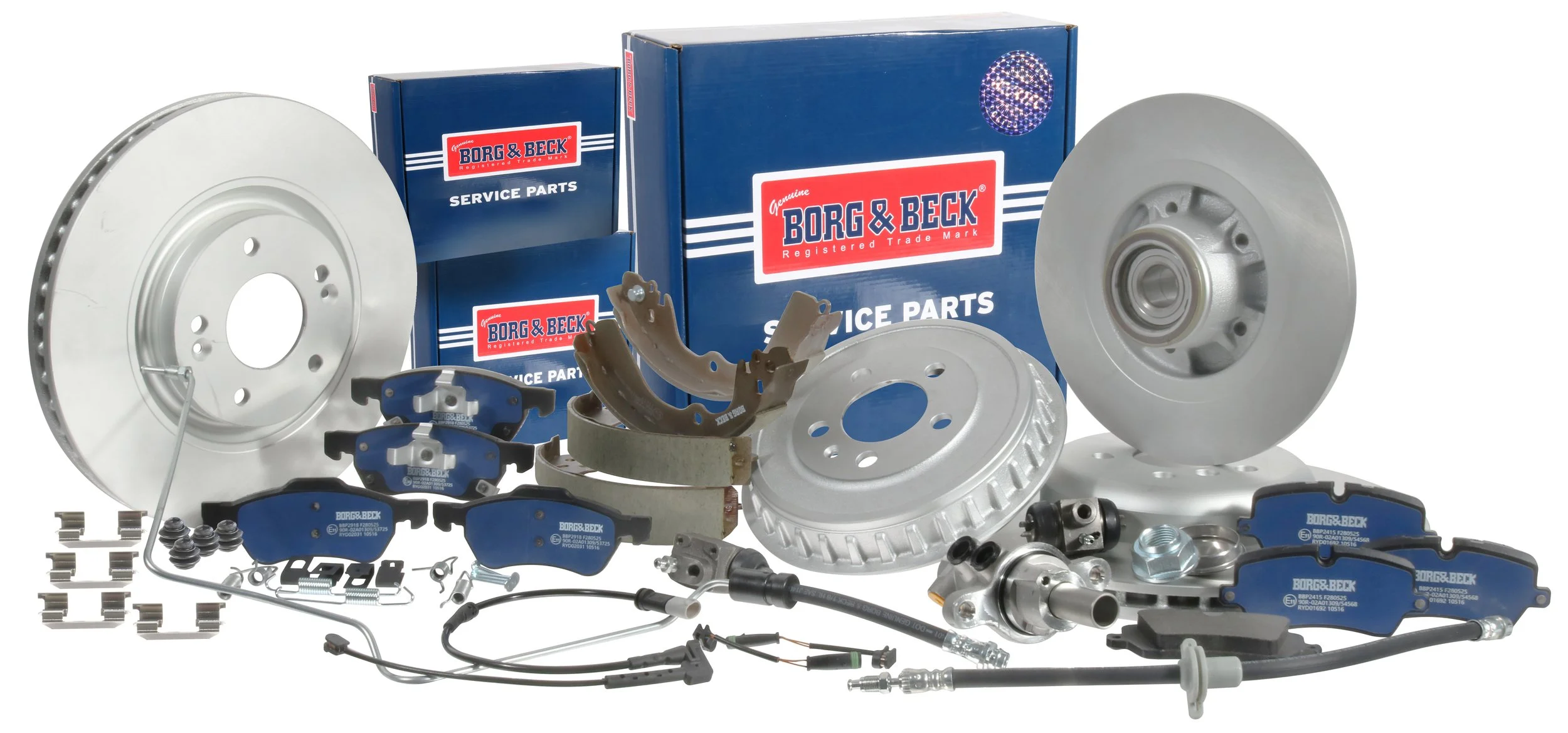
As braking technology continues to develop alongside the needs of today’s vehicles, First Line, through its Borg & Beck brand, is encouraging technicians to take a full, system-first view of brake servicing. The guidance is simple - focus on the whole assembly, not just the most obvious wear items, and better performance, longer-lasting repairs and happier customers will follow.
Think Beyond the “Quick Fix”
First Line Ltd.’s Product Director, Kelvin Olds, explains: “Modern braking systems are incredibly sensitive to how each component works with the next. Pads and discs are designed to operate together, treat them as a pair, not separate parts.”
While replacing pads alone can appear cost-effective, it often leads to compromised friction, reduced braking efficiency and a higher likelihood of noise or early return visits. Olds notes that the most consistent results come when pads and discs are renewed together, something Borg & Beck reinforces through product advice and technical support.
The Overlooked Parts That Protect Performance
A reliable brake job doesn’t stop at pads and discs. Borg & Beck highlights that ancillary components play a major role in how a vehicle feels and performs after service.
Brake hoses, for example, can deteriorate internally and externally, particularly on older vehicles. They may not trigger warning lights, but a weakened hose can still cause poor pedal feel or brake fade.
Then there’s fitting hardware - pins, clips and springs that keep everything correctly aligned and operating as intended.
Olds adds: “These small items can be the difference between a smooth, quiet brake job and a customer coming back with a complaint. That’s why we recommend renewing hardware when fitting new pads.”
Brake fluid is another critical component that can be neglected. Because it absorbs moisture over time, its boiling point drops, increasing the risk of vapour lock under heavy braking. Borg & Beck recommends a full brake fluid change every two years, in line with widely accepted manufacturer guidance.
Bedding-In Isn’t Optional
Even the best components won’t deliver their full potential without proper bedding-in. Controlled early use helps transfer an even friction layer and supports consistent performance.
To help workshops and motorists avoid common early-life issues such as glazing or uneven wear, Borg & Beck includes a bedding-in guide in every brake disc box, advising light, progressive braking for the first 400 miles.
“Get those first miles wrong and you can trigger the kind of wear patterns that lead to noise, vibration, and an unnecessary return visit,” says Olds.