
First Line urges the market to prioritise next-generation filtration as cabin air quality takes centre stage
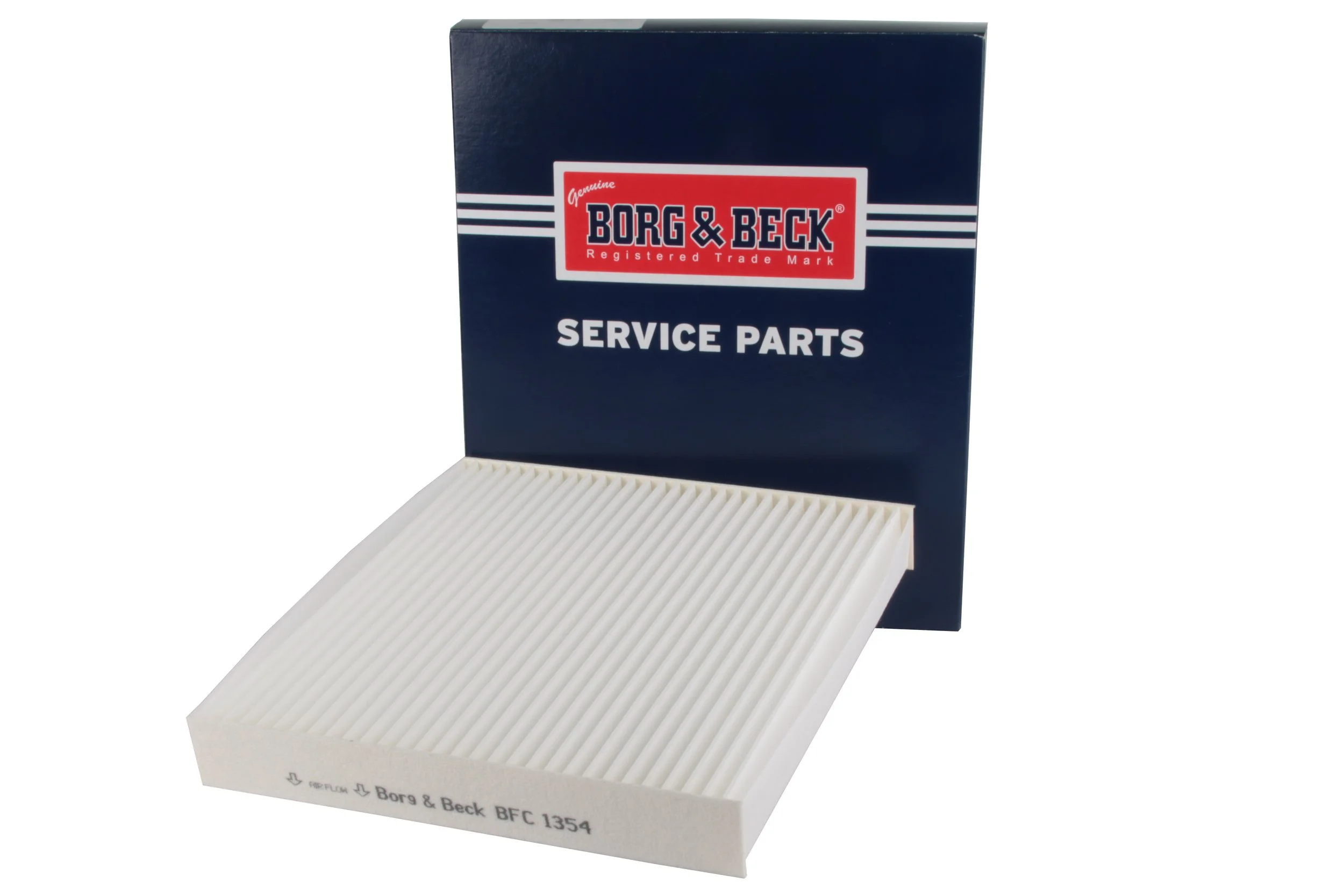
As vehicles become increasingly sophisticated, First Line Ltd. is encouraging the aftermarket to rethink the role of filtration – not just as a maintenance essential, but as a key contributor to vehicle performance, passenger comfort and in-car air quality.
While filters have long been vital in protecting engines from harmful debris, advances in cabin air filtration mean they now play a far more active role in safeguarding driver and passenger health. Cabin filters are now using next-generation multilayer synthetic media and electrostatic fibres to capture ultra-fine particles, allergens and pollutants, while also helping to inhibit bacterial and mould growth inside the filter.
Kelvin Olds, Product Director at First Line Ltd., says filtration is often overlooked despite its growing importance in modern vehicles. “Quality filtration is fundamental to both vehicle health and passenger wellbeing. As cabins become more tightly sealed, particularly in EVs and hybrids, the performance of the cabin filter has a direct impact on air quality and comfort.”
Neglecting filter replacement can have serious consequences. Saturated cabin filters restrict airflow, reduce HVAC efficiency and allow pollutants and odours to build up, while clogged oil, air and fuel filters can lead to reduced engine efficiency, higher fuel consumption and increased wear.
First Line continues to stress the importance of sourcing filters from reputable brands such as Borg & Beck, which are engineered to meet exacting standards and deliver consistent performance. The company’s filtration range now includes over 1,650 references, with dedicated coverage for electric and hybrid vehicles, and 32 new filter products introduced in 2024 alone including key cabin filter applications such as Kia Sportage 2021> (BFC1354), Tesla Model S 2021> (BFC1463) and Range Rover Sport III 2022> (BFC1477C).
“Even the most advanced filter technology relies on correct installation and timely replacement,” adds Olds. “Workshops play a vital role in ensuring filters are fitted properly, diagnostic resets are completed where required, and customers understand the benefits of regular replacement.”