
From replacement to specialism, the rising value of emissions expertise
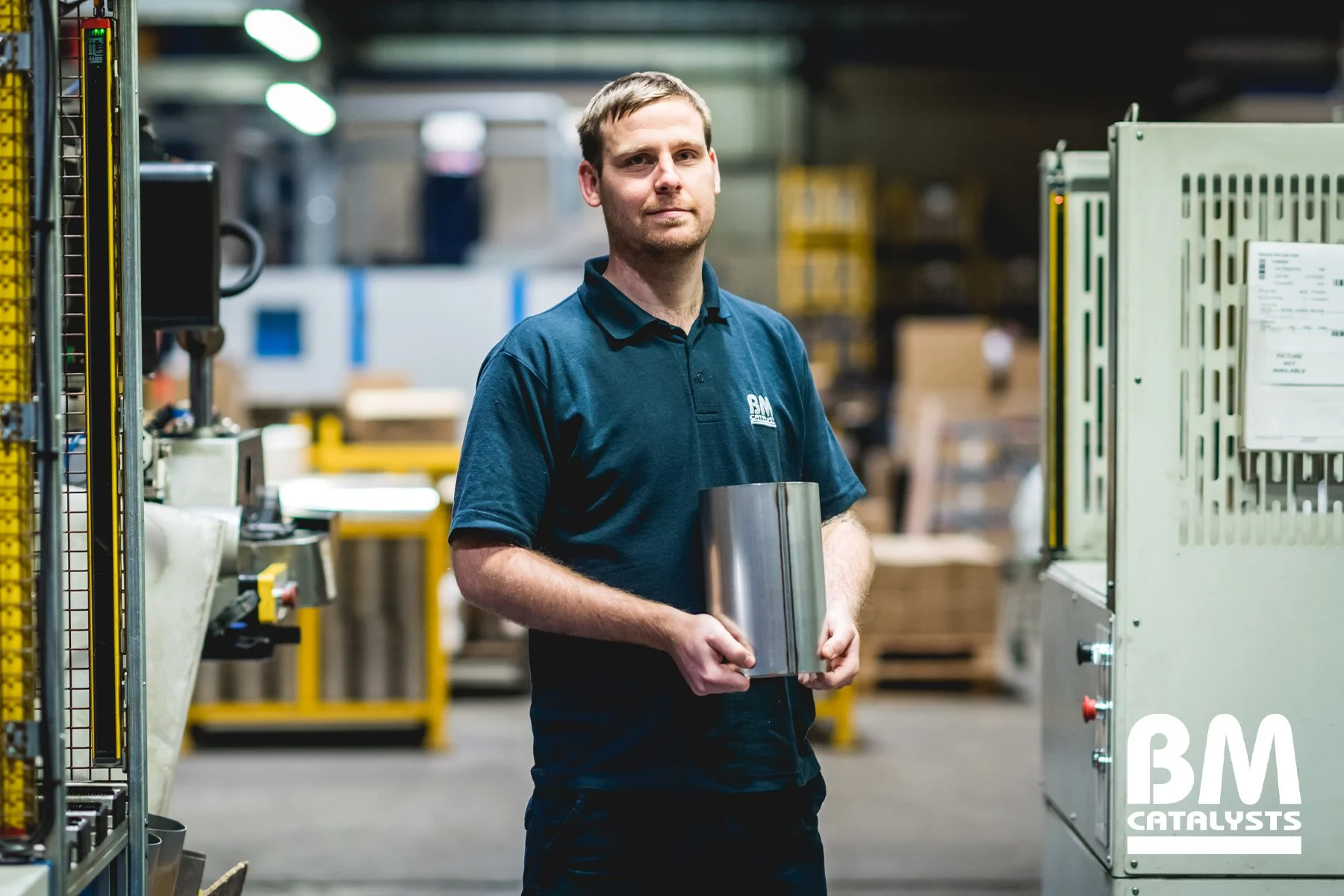
In recent years, the introduction of tighter legislation and rapid technological advancements has significantly increased the complexity of replacing emissions control devices. What was once considered a straightforward task by many skilled technicians now demands research, experience and ongoing education.
Modern emissions systems are no longer isolated components. Catalytic converters, DPFs and SCR systems are now closely integrated with engine management systems, sensors and onboard diagnostics. A fault in one area can have a knock-oneffect elsewhere, making accurate diagnosis essential. Replacing a component without fully understanding the root cause is increasingly likely to lead to repeat failures, customer dissatisfaction and lost workshop time.
At the same time, customer expectations have evolved. Vehicle owners are more informed, more environmentally conscious and less tolerant of repeat visits for the same issue. For garages and technicians, getting it right first time is no longer just good practice, it is a commercial necessity.
All of this is driving a clear shift in the technician’s role. Emissions work is no longer just about fitting parts, it increasingly requires a deeper understanding of systems, the ability to interpret data and the confidence to make informed decisions. In many cases, it is becoming a specialist discipline.
With that shift comes real opportunity. Workshops that invest in developing their knowledge of emissions systems are better equipped to handle complex jobs, reduce costly comebacks and position themselves as trusted experts in a growing area of demand. In a market where margins are often tight, this level of differentiation can make a meaningful difference.
The challenge, however, lies in building that expertise. Time pressures, heavy workloads and limited access to clear, practical training can all stand in the way, highlighting the growing importance of structured, accessible support.
The direction of travel is clear; emissions work has become a core area of technical expertise within the modern workshop. For those willing to invest in knowledge and capability, it represents a genuine opportunity to strengthen both performance and profitability.