
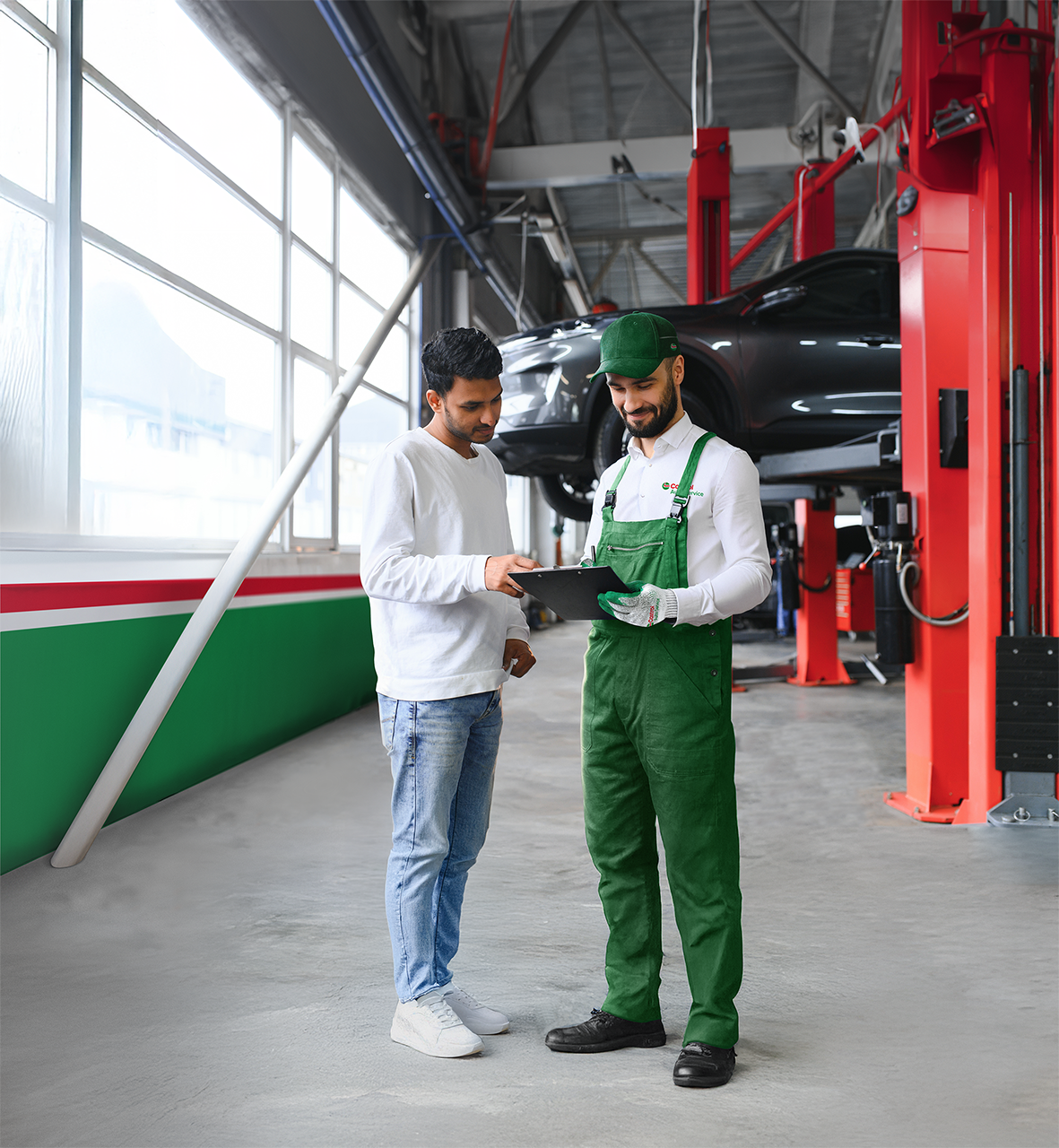
Ongoing service and maintenance costs can be lower for EVs due to reduced need for consumables and far fewer moving parts to wear out
Over half (51%) of diesel and petrol car owners would be most likely to trust a franchised dealership for EV servicing
Castrol ON range of fluids, greases and thermal management solutions have been developed specifically for electric vehicles.
A new independent survey commissioned by Castrol has found that just 14% of those who currently own a petrol or diesel car in the UK believe that it would be cheaper to service an equivalent EV. This is despite the fact that ongoing service and maintenance costs are typically much lower for EVs.
50% of the respondents in the survey said they would expect it to cost more in labour and parts to service a fully electric car than a car powered by an internal combustion engine, while 37% were unsure. Younger drivers are much more likely to think it would cost more to service an EV – 75% of those aged 18 to 24, versus 37% of those aged 65 and over.
EVs are usually cheaper to maintain than petrol and diesel cars of a similar size due to far fewer moving parts, while the absence of an engine and conventional gearbox means there is no requirement for a wide range of consumable parts including exhaust, spark plugs, timing belts and clutch components. In addition, many EVs have a regenerative braking system, which reduces wear on brake pads and discs.
According to the survey, owners of petrol and diesel cars see franchised dealerships as the best place to go for EV servicing. When asked to respond to the statement: ‘If I owned an EV, I would be more likely to trust a franchised dealer than an independent workshop for routine servicing and maintenance work’, over half (51%) agreed, while just 6% disagreed. This suggests independent workshops still have some way to go to secure the trust of current and future EV owners.
Layla Yebaile, Head of Customer & Channel at Castrol, said: “Widespread misunderstanding about how much it costs to service an EV could be one of the factors discouraging petrol and diesel car owners from making the switch to electrified mobility.
“The industry can do more to explain the aftersales experience for potential EV buyers, outlining the likely cost benefits, while also making the case for essential work to be caried out – such as checks on diagnostics, battery health, and consumables.
“This new data also suggests independent workshops in particular can benefit from explaining their credentials in servicing and maintaining EVs – vital for sustaining their future income as the mix of cars on the roads evolves with the shift to electrification.”