
Knowing when it’s time to change
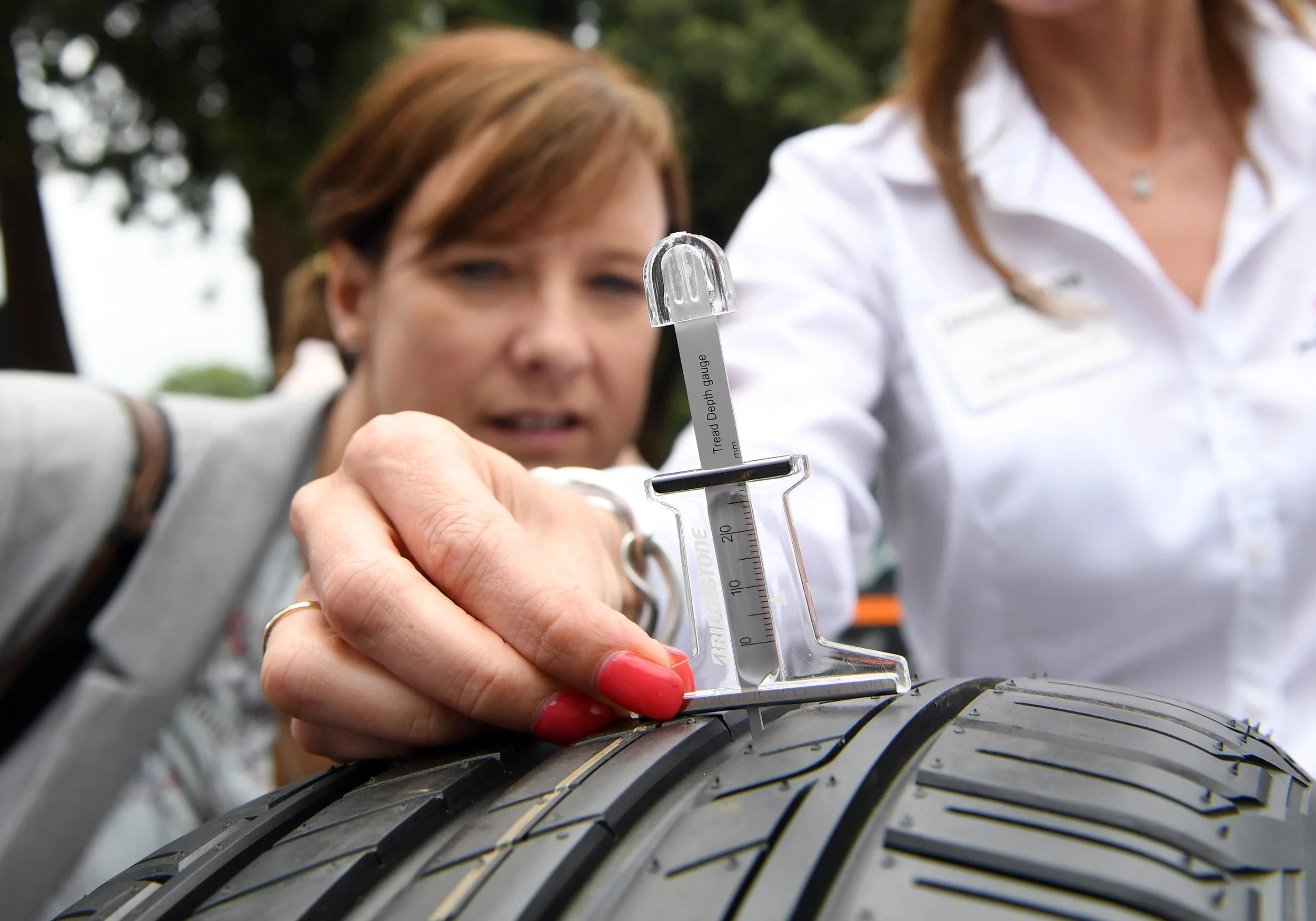
They’re the only part of your car that touches the road, yet for many drivers, tyres remain an afterthought. With millions on the road and hundreds to choose from, finding the right one - and knowing when to replace it - is vital.
The Slow Fade of Performance
No matter whether your tyres are premium, mid-range, or budget, their performance doesn’t vanish overnight – it fades gradually. As tread wears, the carefully engineered grooves and patterns that evacuate water and provide grip start to diminish. That means reduced handling and an increased risk of aquaplaning in the wet.
In some extreme conditions, particularly where tyres have been pushed to their limits, like on track days or aggressive driving, you might even see performance fall off a cliff. You’ll notice it through rounded tread block edges and less surface area in contact with the road, and that means less grip.
But for most everyday drivers, it’s water clearance that matters most. The tread grooves that disperse water become shallower over time, and on wet roads at speed - especially on motorways - this can lead to aquaplaning, where the tyre loses contact with the road altogether.
What Makes a Tyre Illegal?
Driving on illegal tyres isn’t just unsafe – it could land you with a £2,500 fine and three penalty points per tyre.
So what makes a tyre illegal in the UK?
- Tread depth below 1.6mm: The legal minimum tread depth is 1.6mm across the central three-quarters of the tyre, around the entire circumference. Anything below this is illegal.
- Visible damage: Tyres with cuts, bulges, exposed cords or sidewall damage may be considered dangerous and unroadworthy.
- Incorrect tyre type or size: All four tyres must be suitable for the vehicle. Mixing incompatible types (e.g., a winter and a summer tyre on the same axle) can be deemed unsafe.
- Overly worn shoulders or uneven wear: This could suggest suspension or alignment issues – and if any part of the tyre falls below the legal tread limit, it’s illegal.
Many drivers only look at the centre of the tyre, but wear on the inner or outer shoulders can still make it illegal. Regularly checking your tread – and rotating your tyres – can keep you safe and legal.
A simple way to check? Use a 20p coin. Insert it into the main groove. If the outer rim is visible, your tread is likely close to or below the legal limit.
Tyre Types: Making the Right Choice
We recommend selecting the right tyre based on your driving needs, climate, and performance expectations. Here’s a quick guide:
Summer Tyres
Designed for speed, agility and performance. Offer superior grip, handling, and braking in warm, dry and wet conditions. Shallower tread patterns maximise contact with the road for improved precision and cornering.
Winter Tyres
Stay soft and grippy in cold conditions. Essential for icy or snowy roads. However, they wear faster and perform poorly in warm weather, so should always be swapped out in spring.
All Season Tyres
A versatile option for moderate climates. Balance performance across dry, wet, and light snow conditions. Not as specialised as summer or winter tyres, but ideal for drivers wanting year-round convenience.
Tyres are getting smarter. Bridgestone is investing heavily in all-season technology, with compounds and tread designs that adapt to a wider range of conditions – but knowing when and how to use them is key.
Tyre Care: The Basics That Make a Big Difference
Good tyre care goes beyond choosing the right product. Regular checks help you stay safe and extend tyre life.
- Pressure: Check it every two weeks. Under- or over-inflated tyres impact handling, fuel economy, and wear.
- Tread: Use the 20p test. Replace before you reach the legal limit.
- Visual checks: Look for cracks, bulges, cuts or uneven wear.
- Seasonal switch: Don't drive on winter tyres in summer – and vice versa.
Bridgestone has already carried out more than 5,000 free tyre inspections in communities across the UK through its Be a Bridgestone Road Safety Hero campaign over the past 18 months. The initiative is designed to make tyre checks simple and accessible, while raising awareness of their importance.
By making tyre checks part of a regular routine, you can help protect yourself and others every time you get behind the wheel.”