
London robotaxi launch could transform motorists’ understanding of ADAS, says A1
The launch of autonomous passenger rides in London this week could do more to improve motorists’ understanding of ADAS than years of industry education, according to A1 ADAS Group.
Uber and British autonomous driving technology company Wayve launched the service on 2 September, marking another significant step towards driverless passenger services on UK roads.
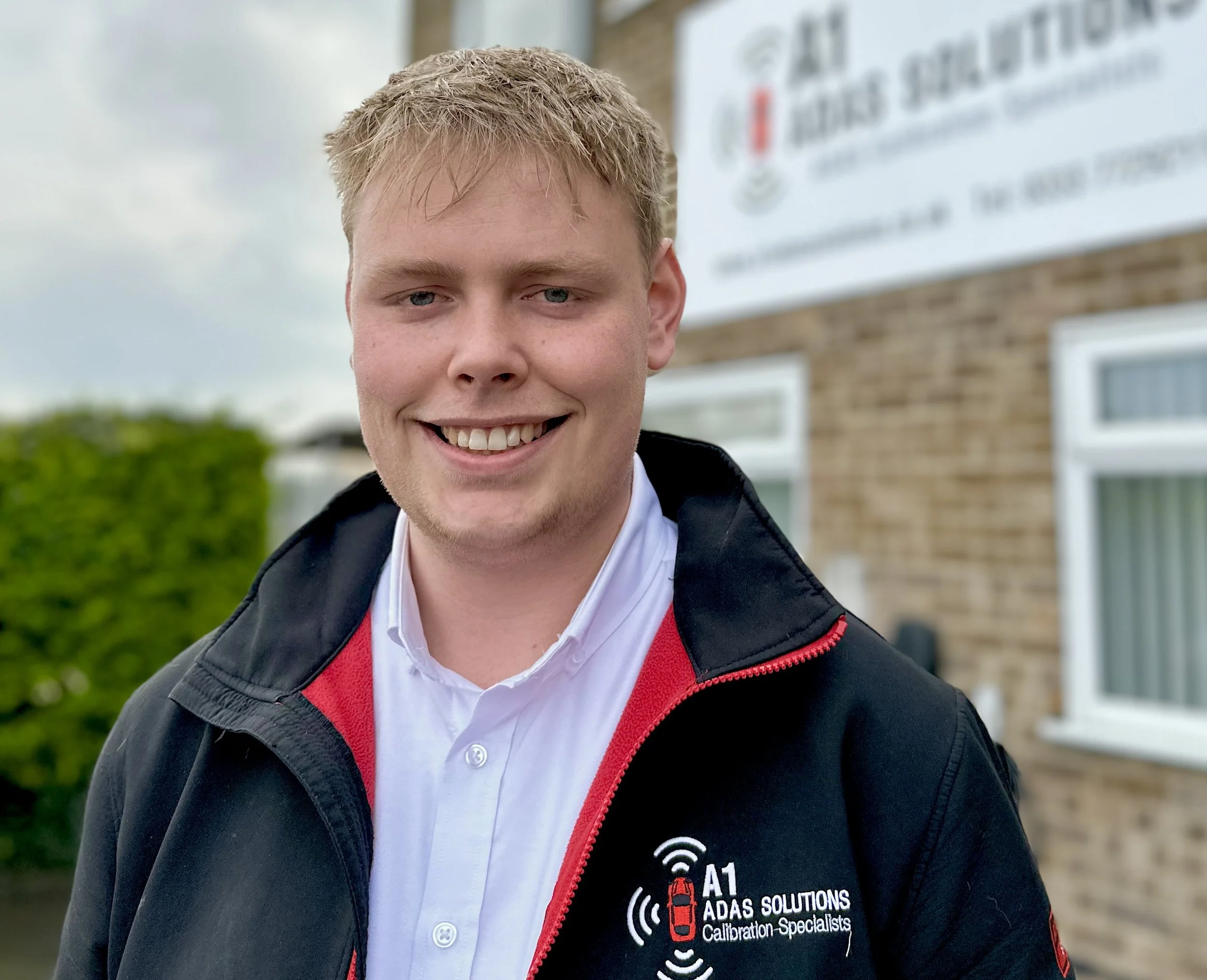
Adam Molloy, operations director at A1 ADAS Group, believes greater public exposure to autonomous vehicles could have an unexpected benefit for the aftermarket by helping motorists better understand the safety technology already fitted to their own cars.
He said: “The Government says human error contributes to 88% of road collisions, which is one of the reasons autonomous technology is being viewed as a potential safety breakthrough.
“But can motorists be asked to trust a vehicle to drive itself when many still don’t fully understand the driver assistance systems already fitted to their own vehicle?
“For the aftermarket, that may be the most important question of all.”
Research suggests 40% of buyers received no explanation of ADAS when purchasing their vehicle, leaving many to learn about features such as autonomous emergency braking, lane departure warning and blind spot monitoring through experience rather than education.
Molloy believes the arrival of robotaxis could help change that by making motorists more aware of the cameras, radars, sensors and software modern vehicles rely on to understand and respond to their surroundings.
He continued: “A customer may understand why their vehicle needs wheel alignment, suspension repairs or a replacement windscreen. They’re often less prepared for the conversation about ADAS calibration that follows.
“If a customer doesn’t understand that a camera or radar forms part of an active safety system, calibration can feel like an unexpected extra rather than an essential part of returning the vehicle to the correct operating condition.
“If autonomous vehicles make motorists more familiar with the role these systems play in vehicle safety, it should become easier for garages to explain why they need checking, validating and calibrating following certain repairs.”
Molloy said increased public awareness could also put greater focus on technician qualifications and competency, correct repair procedures and calibration traceability.
“ADAS calibration isn’t simply a case of connecting a diagnostic tool and pressing a button,” he added. “Accuracy matters, evidence matters and following the correct procedures matters.
“The first robotaxi on London’s roads may do more for ADAS awareness than a decade of industry messaging ever could. If that happens, the winners won’t just be the companies developing autonomous vehicles. It will also be the garages and bodyshops that have invested in understanding, maintaining and accurately calibrating the technology those vehicles depend on.”