
Motoring expert reveals four ways to make your windscreen wipers last longer
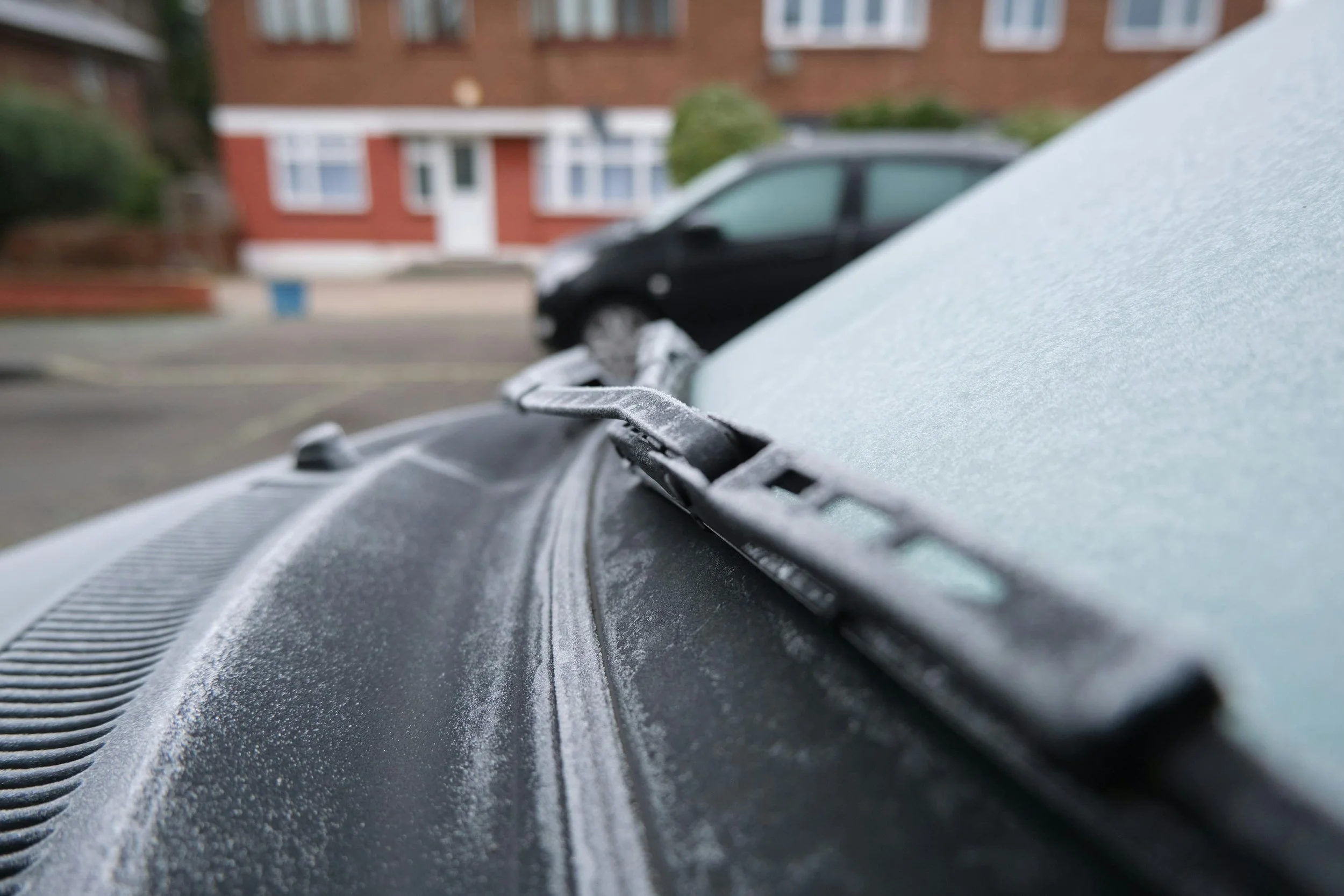
Searches for ‘smearing windscreen wipers’ have surged by 271% in the past three months
Motoring experts at Vertu shares advice on how to protect wipers and keep drivers safe
There are few things more irritating than a windscreen wiper that smears, squeaks, or judders its way across the glass.
It’s a distraction that can quickly become a serious safety hazard, significantly reducing visibility in wet conditions. For many drivers, it’s a problem they only address when it’s already too late - and when they could receive an on the spot fine of £100 and three points on their licence.
In fact, new research by Vertu has revealed that UK motorists are already feeling the effects of the changing seasons, as searches for ‘smearing windscreen wipers’ have risen by 271% over the past three months, while searches for ‘squeaky wiper blades’ are up by 213%.
Calum Thomson, Group Aftersales Director at Vertu, explains:
"Wiper blades are a classic grudge purchase for motorists; nobody really wants to buy them, so they often get neglected until they fail completely. But a clear screen is non-negotiable for safe driving.
“The data shows that the moment the weather turns, drivers notice the accumulated wear and tear from the summer months. A few simple checks and habits can not only make your wipers last significantly longer but also ensure they work effectively when you need them most."
So, to help motorists stay safe, experts have shared their four tips to make your wipers last longer.
1. Perform the ‘Judder’ Test
Many drivers wait until their wipers are consistently smearing or leaving large swathes of water before considering a replacement. By this point, visibility is already dangerously impaired, putting the driver and other road users at risk.
Don’t wait for smearing. The earliest warning sign of blade failure is often a ‘juddering’ or ‘chattering’ sound, where the blade skips across the glass instead of gliding smoothly. This indicates the rubber has hardened and lost its flexibility. If you hear this, your blades are no longer making proper contact with the glass and should be replaced, even if they aren't smearing yet.
2. Deep Clean Your Blades Correctly
It’s easy to forget that wiper blades themselves need cleaning. Over time, a layer of road grime, tree sap, and salt residue builds up on the rubber edge. This abrasive layer is a primary cause of smearing and can even lead to fine scratches on the windscreen itself.
Once a month, give the blades a thorough clean. Use a soft, damp microfibre cloth with a mild soap and water solution to gently wipe the entire length of the rubber. For stubborn grime, a 50/50 mix of white vinegar and water is effective. It is a myth that harsh chemicals work better; frequent use of rubbing alcohol, for example, can dry out the rubber, causing it to crack prematurely.
3. Treat Screenwash as a Lubricant, Not Just Soap
Motorists often see screenwash as a simple cleaning fluid, and many admit to using plain water or even washing-up liquid as a substitute to save money. This is a false economy that can significantly shorten the life of wiper blades.
Always use a quality, year-round screenwash, and think of it as a vital lubricant for your wiper system. Good screenwash contains detergents and lubricating agents that reduce friction between the blade and the glass, allowing it to glide smoothly. Using water or washing-up liquid increases friction, forcing the rubber to drag and skip across the screen, which rapidly accelerates wear and leads to juddering and smearing.
4. De-Ice, Don't Destroy
Using the wipers in an attempt to clear a layer of frost or ice from the windscreen is a common mistake on cold mornings. This can cause immediate and irreversible damage to the wiper system, leading to an unnecessary repair bill.
Never use your wipers as an ice scraper. The rubber blade is not designed for it and can easily tear on the sharp, icy surface. Furthermore, the wiper motor can be strained or even burn out as it struggles to move blades that are frozen solid to the glass. Always use a dedicated de-icer spray or your car's heater to completely clear the glass before engaging the wipers.