
Motorists Warned: These Common Car Mistakes Could Be Costing You at the Pump
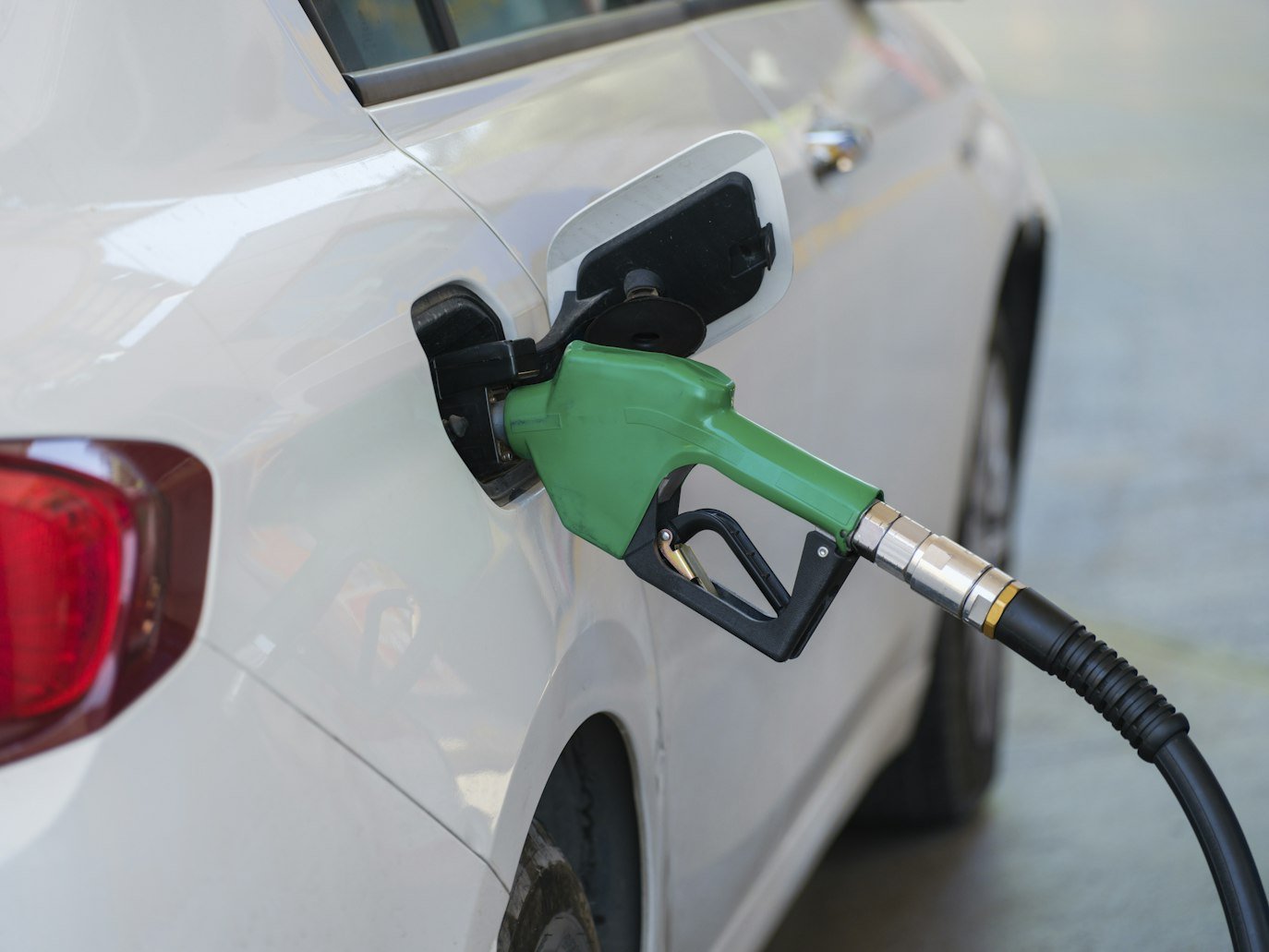
With UK drivers being urged to cut back on non-essential journeys as fuel costs continue to rise, many motorists are looking for ways to reduce the amount they spend at the pump. However, one industry expert warns that simple maintenance oversights could be quietly increasing fuel consumption without drivers realising.
Chris Jevons, Vehicle Repair Specialist at JTAPE, a global leader in automotive masking and protection solutions, reveals seven common car maintenance mistakes that can significantly reduce fuel efficiency and explains why fixing them now could help motorists lower their fuel bills during a period of rising costs.
Motorists Warned: These Common Car Mistakes Could Be Costing You at the Pump
Chris Jevons said: “Many motorists focus on driving habits when trying to improve fuel efficiency, but vehicle maintenance plays an equally important role. Small oversights such as under-inflated tyres or neglected engine components can force a vehicle to work harder than necessary, increasing fuel consumption over time.
“In many cases, drivers may not notice the gradual drop in efficiency until they find themselves filling up more frequently. Keeping on top of basic maintenance checks can help ensure the engine runs efficiently and prevent unnecessary fuel costs.”
1. Under-Inflated Tyres
“Tyre pressure has a significant impact on fuel consumption. When tyres are under-inflated, they create greater rolling resistance on the road, meaning the engine has to work harder to maintain speed. Even slightly low tyre pressure can increase fuel use and lead to uneven tyre wear. Checking tyre pressure regularly, particularly before long journeys, can help improve efficiency and extend the lifespan of your tyres.”
2. Dirty or Clogged Air Filters
“The engine relies on a steady flow of clean air to maintain the correct fuel-to-air mixture. A clogged air filter restricts this airflow, which can cause the engine to burn more fuel to compensate. Replacing air filters during routine servicing ensures the engine can operate efficiently and maintain optimal fuel economy.”
3. Ignoring the Check Engine Light
“Dashboard warning lights are often dismissed if the vehicle still appears to run normally, but they can signal issues that directly affect fuel consumption. Faulty oxygen sensors, worn spark plugs, or fuel system problems can all lead to inefficient combustion. Addressing warning lights early can prevent minor issues from developing into more expensive repairs while also improving fuel efficiency.”
4. Using the Wrong Engine Oil
“Engine oil reduces friction between moving components. If the oil used is thicker or unsuitable for the vehicle, it can increase internal resistance within the engine. This additional strain means the engine requires more fuel to perform at the same level, which can gradually impact fuel economy.”
5. Neglecting Spark Plug Replacement
“Spark plugs play a crucial role in igniting the fuel-air mixture within the engine. When they become worn or fouled, combustion becomes less efficient. This can cause misfires, reduced performance, and higher fuel consumption over time.”
6. Carrying Excess Weight in the Vehicle
“Many drivers unknowingly carry unnecessary weight in their vehicles, particularly in the boot. Extra weight forces the engine to use more energy to move the car, especially during acceleration. Removing unused items can make a noticeable difference to fuel efficiency over time.”
7. Skipping Regular Servicing
“Routine servicing ensures key components such as filters, sensors, fluids and ignition systems are working correctly. When maintenance is delayed, small inefficiencies can accumulate and lead to increased fuel consumption. Regular servicing helps keep the vehicle running smoothly and ensures it performs as efficiently as possible.”
How Drivers Can Improve Fuel Efficiency
“To help keep fuel consumption under control, drivers should regularly check tyre pressure, keep filters clean, and ensure their vehicle is serviced according to the manufacturer’s schedule. Simple steps such as removing excess weight, responding promptly to dashboard warning lights, and using the correct engine oil can all contribute to better fuel efficiency.”
“With fuel costs continuing to impact households across the UK, maintaining your vehicle properly is one of the easiest ways to reduce running costs and ensure your car operates at its best.”