
Data has revealed that over 53,000 cars were reported stolen last year in the UK, which is a 75% increase since 2013-2014. With thieves getting even savvier with their crimes, and the darker months now very much here, it’s more important than ever to keep your vehicles protected from unwanted attention.
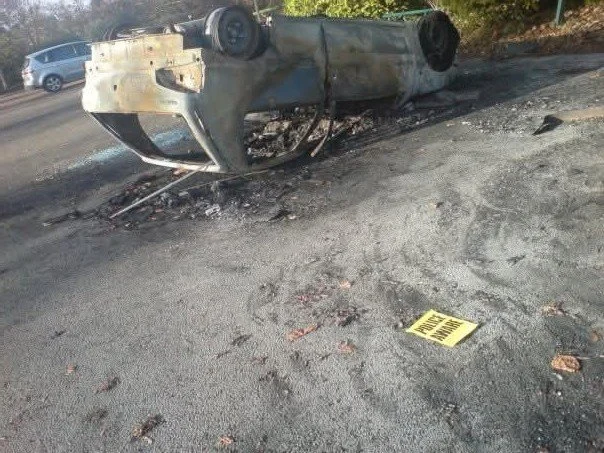
New findings from LKQ Euro Car Parts, uncovers some of the bizarre actions criminals have taken when attempting to steal a vehicle. One victim, James Bird, 45, from Marlborough Wiltshire, revealed: “I had a Peugeot 105 vandalised in an attempted robbery a few years ago. It was parked at a local leisure centre and the gate to the carpark was locked so the car never made it out. They did, however, drive it around the carpark and it somehow ended up on its roof, then they decided to set fire to it.”
James added: “As a fairly new member of the Automobile Owners Club, the experience certainly made me more wary of car theft. I’d parked the car somewhere I considered safe or discreet, but in reality, it just made it easier to steal.
“I remember thinking that, while the people who took the car would probably have had a lot of fun, they were also putting themselves in considerable danger by recklessly driving it around. Although I was the victim of car theft, I’m thankful that nobody else was harmed in the incident.
“At the time, I was living in a flat in the town centre with very limited parking allocations, which was a real pain. Now, however, I have a house in the countryside with a driveway, so I no longer have to worry about parking in the same way.”
The experts at LKQ Euro Car Parts, have partnered with Ben Pearson, Nextbase police advisor and former police interceptor, to share their advice on the simple steps motorists can take to make their vehicles less appealing to thieves this winter.
1. Always double-check that your car is locked
It can be easy to assume a vehicle has locked, particularly when parking at home, so drivers should make a habit of checking before heading inside for the night.
Ben says: “Always double-check that your car is locked before going to bed, particularly if it is parked on a driveway or outside your home.”
2. Keep your keys away from doors and windows
Drivers with keyless vehicles should avoid leaving their keys close to front doors or windows, where the signal could potentially be reached from outside the property.
Ben adds: “Keeping your keys away from windows or front doors, within easy reach for criminals, will decrease the likelihood of keyless car theft. Our research found that over a third of drivers (37%) store their car keys where they're vulnerable, such as next to front doors, or near open windows and just 11% use a signal-blocking pouch.”
3. Consider a signal-blocking pouch or Faraday box
A signal-blocking pouch or Faraday box can provide an additional layer of protection for drivers with keyless vehicles by helping to prevent the signal from a key fob being picked up and relayed by someone outside the property.
Drivers using one should make sure the key is fully enclosed and check regularly that the pouch or box is still working effectively. It can also be useful to keep spare keyless fobs and other relevant devices away from doors and windows, rather than relying on a signal-blocking product alone.
4. Add a visible layer of physical security
Visible security measures can act as an additional deterrent by making a vehicle more difficult or time-consuming to steal. Drivers could consider using a steering wheel lock, wheel clamp or other visible physical security devices, particularly when leaving their vehicle parked for longer periods.
A dash cam can also be a useful addition, particularly models with parking-mode features that can continue recording when a vehicle is unattended. Drivers should make sure any security device they use is suitable for their vehicle and fitted or positioned correctly.
5. Be careful where you park
Where possible, drivers should think carefully about where and how they leave their vehicles, particularly overnight. Well-lit locations, busy areas and spaces covered by CCTV can make it harder for thieves to approach a vehicle without being seen. Drivers should also consider parking somewhere that is overlooked by homes or other buildings, rather than in an isolated spot.
At home, where many vehicle thefts take place, motorists should use a garage where possible or park in a well-lit, visible part of a driveway. Keeping the area around the vehicle clear can also help drivers notice any unusual activity or signs that someone has been attempting to access the car.
Around 80% of car thefts happen between 6pm and 6am, most of them after midnight. Cars are also far more likely to be targeted at home than in a car park, with driveways and nearby streets accounting for around 73% of thefts, often via keyless relay attacks while owners sleep. Weekdays see more incidents than weekends, and darker autumn and winter nights give thieves even more cover.
6. Remove valuables and check for signs your vehicle has been targeted
Drivers should avoid leaving valuables, such as cash, wallets or laptops, in their vehicles overnight and should know what their car alarm sounds like.
Drivers should also look out for signs that their vehicle may have been tampered with, such as scratches around locks, handles or window seals, an open glove box or missing items, or seats, mirrors or radio settings that have been changed or moved. Small dots, arrows or symbols on tyres, windscreens or wing mirrors could also be used by thieves to flag easy or valuable targets.
If anything looks unusual, drivers should avoid disturbing potential evidence, photograph what they have found and consider whether their dash cam footage or other vehicle security technology may provide useful information.
7. Know what to do if your vehicle is damaged or targeted
If a driver discovers their vehicle has been broken into or damaged, personal safety should come first. Drivers should avoid touching anything inside the car, photograph the damage and make a note of anything that has been taken, including approximate values.
If a crime has taken place, drivers should report it to the police and provide as much information as possible, including the vehicle's make, model, colour, registration and where and when the incident occurred. Any relevant dash cam footage or information from a GPS tracker should also be retained and shared where appropriate.
Experts at LKQ Euro Car Parts added: “Vehicle theft can be a worrying prospect for any motorist, but there are some simple steps drivers can take to reduce the risk and make their vehicle less appealing to thieves.
“Vehicle security doesn't have to be complicated. Building a few straightforward checks into your routine can help motorists reduce opportunities for thieves and give them greater peace of mind when leaving their car unattended.”