
Survey of Motoring experts reveal four inexpensive fixes to maximise your car’s value
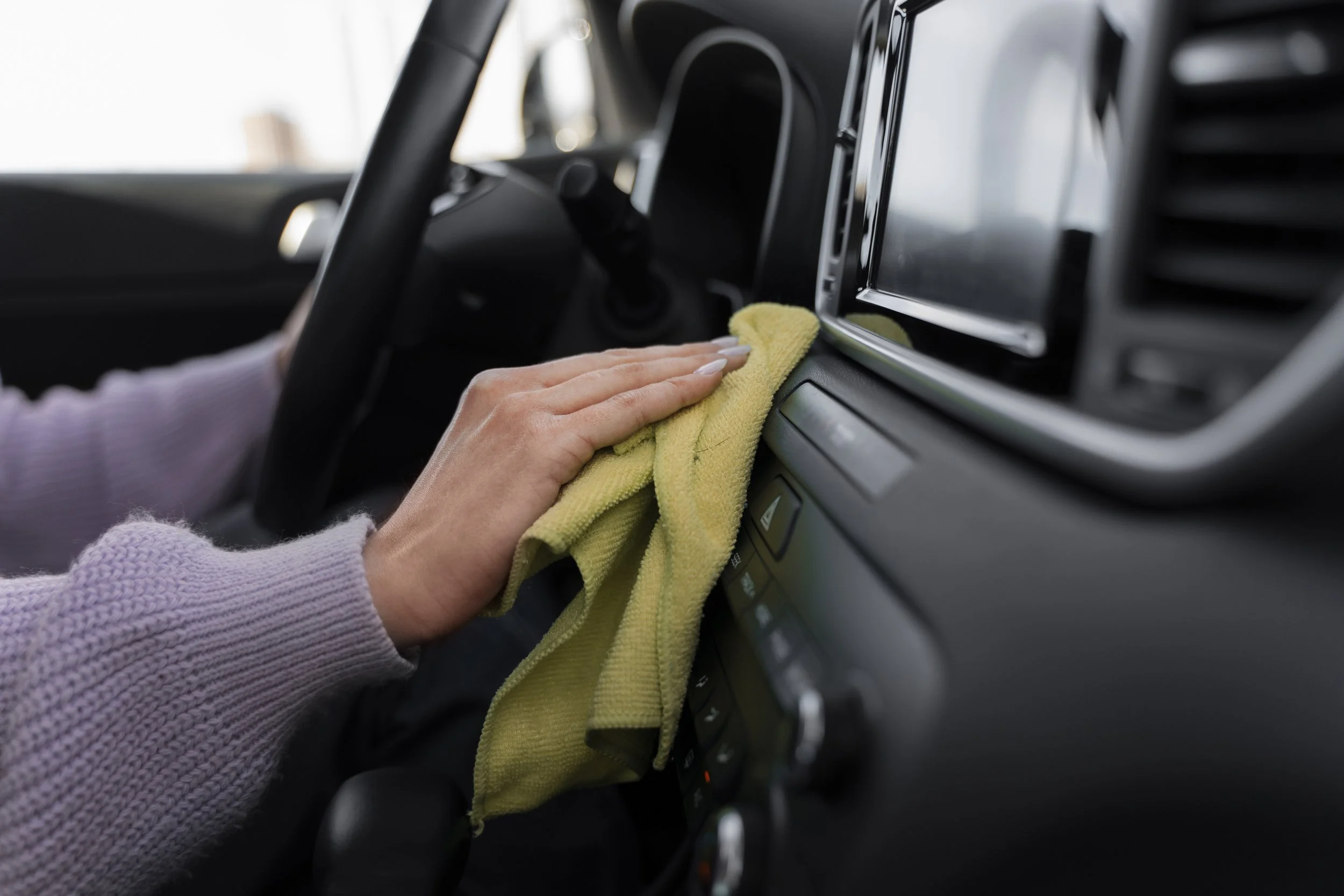
Survey of aftersales technicians finds a deep interior clean is the most valuable low-cost task (50%)
Selling a car is often a daunting process, and many owners worry about how to get the best possible price without spending a fortune on preparations. In the moments before a potential buyer arrives, it is easy to wonder if you have done enough to make the car stand out.
And as the UK's used car market is forecast to remain highly competitive throughout 2025, it makes effective, low-cost preparation more important than ever.
This comes as a new survey of aftersales technicians have revealed the simple fixes that have the biggest impact, with a deep interior clean being ranked as the most valuable task by 50% of experts.
Calum Thomson, Group Aftersales Director at Vertu, explains: "Buyers form their first impression of a car in seconds. A clean, well-maintained vehicle suggests reliability and a careful owner, which builds trust and justifies a higher price.
“This data shows that the professionals who work on cars every day agree - it’s the small details that send the right signals."
To help sellers get the best price, experts have shared four high-impact fixes below.
1. Perform a methodical deep clean
A dirty, cluttered, or odorous interior is one of the biggest red flags for a potential buyer, as it immediately suggests the car has been neglected. Many owners make the mistake of a quick, superficial clean that fails to address the underlying grime that buyers will notice.
The key to a high-value clean is not expensive products, but a methodical approach:
Remove all personal items and rubbish from the cabin and boot.
Thoroughly vacuum every surface, including under the seats.
Use a simple all-purpose cleaner and microfibre cloths to wipe down every surface, from the dashboard to the door pockets, to remove built-up dust and residues.
Finally, clean the inside of the windows to remove haze and instantly makes your cabin feel brighter.
2. Use a touch-up pen correctly
Applying touch-up paint incorrectly to stone chips and minor scratches can make the damage look worse than leaving it alone. Rushing the job or applying a single, thick blob of paint is a common mistake that creates an amateurish, unsightly finish that will catch a buyer's eye.
A professional-looking repair requires patience. First, thoroughly clean the chip with a degreaser. If bare metal is showing, apply a tiny amount of primer with a fine-tipped brush before building up the colour in several thin layers, allowing each to dry. The goal is to fill the chip so it is level with the surrounding paintwork. Once level, apply a thin layer of clear coat to protect the repair and restore a uniform shine.
3. Replace minor consumable items
Smeary, noisy windscreen wipers and worn-out, dirty car mats are immediate and highly visible signs of wear that create a poor first impression. Because they are items a driver interacts with constantly, they make the whole car feel older and less cared for, even if it is mechanically sound.
For under £40, replacing both front windscreen wipers and fitting a new set of car mats can noticeably lift a car's perceived condition. It is a powerful psychological cue to buyers that the car has been properly looked after. Always ensure new wipers are the correct fitting for the model and that new mats sit flat without interfering with the pedals.
4. Don't fall for the 'boutique' product myth
Many sellers believe achieving a showroom finish requires spending significant money on expensive, "boutique" brand car shampoos and waxes. They invest in high-cost products but then apply them with poor technique, which can inadvertently introduce fine scratches and devalue the car.
The most common cause of devaluing swirl marks in paintwork is improper washing technique, not the product itself. An affordable pH-neutral car shampoo will deliver excellent results if you use a "two-bucket" method (one for soapy water, one for rinsing the wash mitt), working from the top down. This simple technique prevents grit from being dragged across the paint, preserving the finish and its value for minimal cost.