
Thatcham Research reports critical skills shortage in UK vehicle repair sector
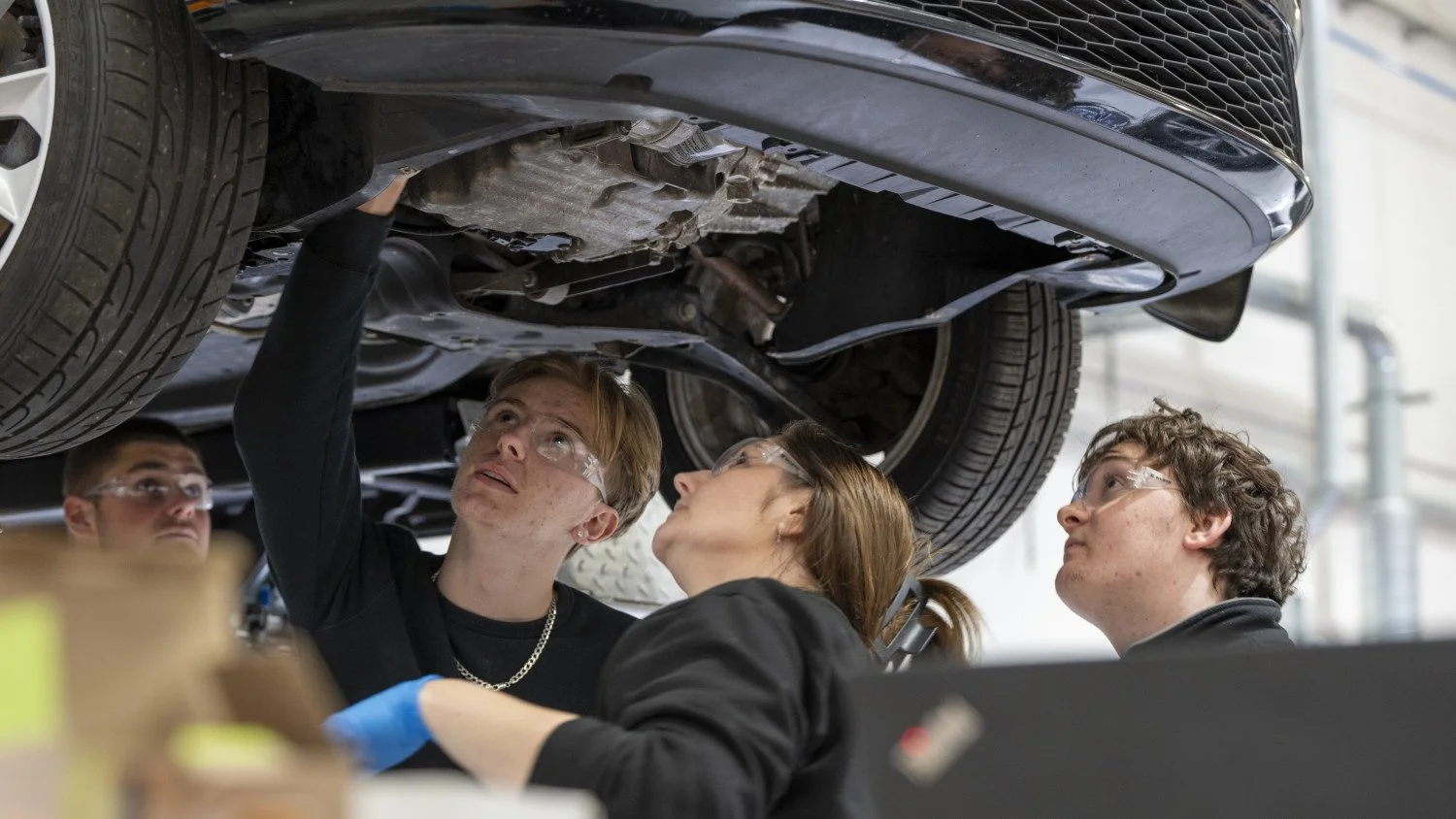
More than 70% of repair and salvage professionals say that the vehicle repair and salvage sector is facing a skills shortage
Primarily driven by increasing vehicle complexity, with repair costs now 50% more than five years ago
Respondents say that other factors influencing the skills gap include ageing workforce and talent moving to other industries offering better opportunities
Thatcham Research’s Automotive Academy has equipped more than 5,000 people with the skills the industry needs most since 2021
Thatcham Research calls on the industry to join forces to invest in and promote apprenticeships
The UK's vehicle repair and salvage sector is facing a critical skills shortage that is driving up insurance costs, extending collision repair times and undermining consumer confidence, according to new research from Thatcham Research, which rates every car for safety, security and sustainable repair.
A recent survey of repair and salvage professionals, conducted in partnership with the Centre for Economics and Business Research (CEBR), reveals that 73% identify the widening skills gap as a growing challenge requiring industry-wide action. The issue has intensified as modern vehicles, particularly electric vehicles (EVs) and those equipped with Advanced Driver Assistance Systems (ADAS), have become significantly more complex to repair.
Thatcham Research data illustrates the scale of the challenge: the average cost to repair a vehicle after a collision increased by 50% between 2019 - 2024 driven primarily by technological advancement and the specialist skills required to repair modern vehicles safely and effectively.
Dean Lander, head of repair sector services, Thatcham Research, said: "The automotive repair sector stands at a crossroads. As vehicles become more sophisticated, the gap between the skills our industry needs and the talent available is widening. This directly impacts insurance premiums, repair times and customer satisfaction across the UK.
"As an industry, we have a responsibility to take action. Through our Automotive Academy, we've trained more than 5,000 technicians over the past five years, equipping them with the cutting-edge skills needed to handle today’s increasingly complex vehicles. We need industry-wide commitment to invest in training, creating and promoting sustainable careers to attract the next generation of talent into this vital sector."
Alongside increasing vehicle complexity requiring specialised skills (41%), respondents acknowledged that the skills gap is also influenced by skilled workers being drawn to other industries offering better opportunities (43%) and the impact of an ageing workforce (31%), underscoring the urgency for targeted talent strategies across the sector.
Bridging the Gap: Thatcham Research's Automotive Academy
Thatcham Research's Automotive Academy is uniquely positioned to address the skills gap through tailored apprenticeship and training programmes that:
Equip new entrants with hands-on, future-ready skills in EV technology, ADAS calibration, and advanced repair techniques
Build capability in vehicle damage assessment to reduce write-offs, helping technicians understand repair options for complex vehicles and choose the right path to return them safely to the road
Support upskilling of existing technicians to meet evolving industry standards
Align training with the latest vehicle technology and manufacturer repair protocols
In 2025’s Autumn intake, almost 20% of the Automotive Academy’s apprenticeship trainees were female, a significant milestone in a traditionally male-dominated sector. This growing diversity reflects the Automotive Academy's commitment to making repair careers accessible and attractive to a broader talent pool, helping to build a more inclusive and sustainable workforce for the future.
Investing in skills for the future
The survey also highlighted clear ways to address the current skills gap. A significant majority of respondents (61%) pointed to the need for greater visibility and promotion of apprenticeships within the education sector, underscoring the importance of inspiring the next generation to pursue automotive careers. This was followed by 48% who called for increased investment in technical training, reinforcing the need to equip the workforce with the specialised skills required to meet the industry’s evolving demands.
Thatcham Research believes that closing the skills gap can deliver measurable benefits across the automotive industry:
Reduce insurance costs through faster, more accurate repairs that minimise turnaround times
Improve customer experience and increase trust in the repair process with access to more skilled, certified technicians
Create sustainable career pathways in a sector vital to the UK economy
Following the Government’s recent Motor Insurance Taskforce Report, Thatcham Research is calling on insurers, repairers, vehicle manufacturers and policymakers to collectively invest in training infrastructure and actively promote automotive repair as a rewarding, technology-driven career choice.
Jonathan Hewett, CEO Thatcham Research said: "This is an opportunity to transform our industry. Young people today are passionate about sustainability, technology and making a tangible difference. A career in automotive repair offers all three. We invite them to explore the exciting opportunities available in automotive repair and help shape the future of motoring.
“Skilled technical roles in collision repair should be more widely recognised as a great career choice that will never be replaced by AI or automation.
"We welcome the government's commitment to improving skills and training across the automotive sector outlined in the Motor Insurance Taskforce report. The engineering skills package, which will provide £100 million investment over three years to support engineering skills in England, working with Skills England, represents a significant step forward in increasing the pipeline of talent our industry needs.
"Thatcham Research’s Automotive Academy is poised to support and fill this future pipeline of talent with our diverse range of courses, ensuring the next generation of technicians has the skills and expertise required for the evolving automotive repair landscape.”