
The cheapest part is often the most expensive repair
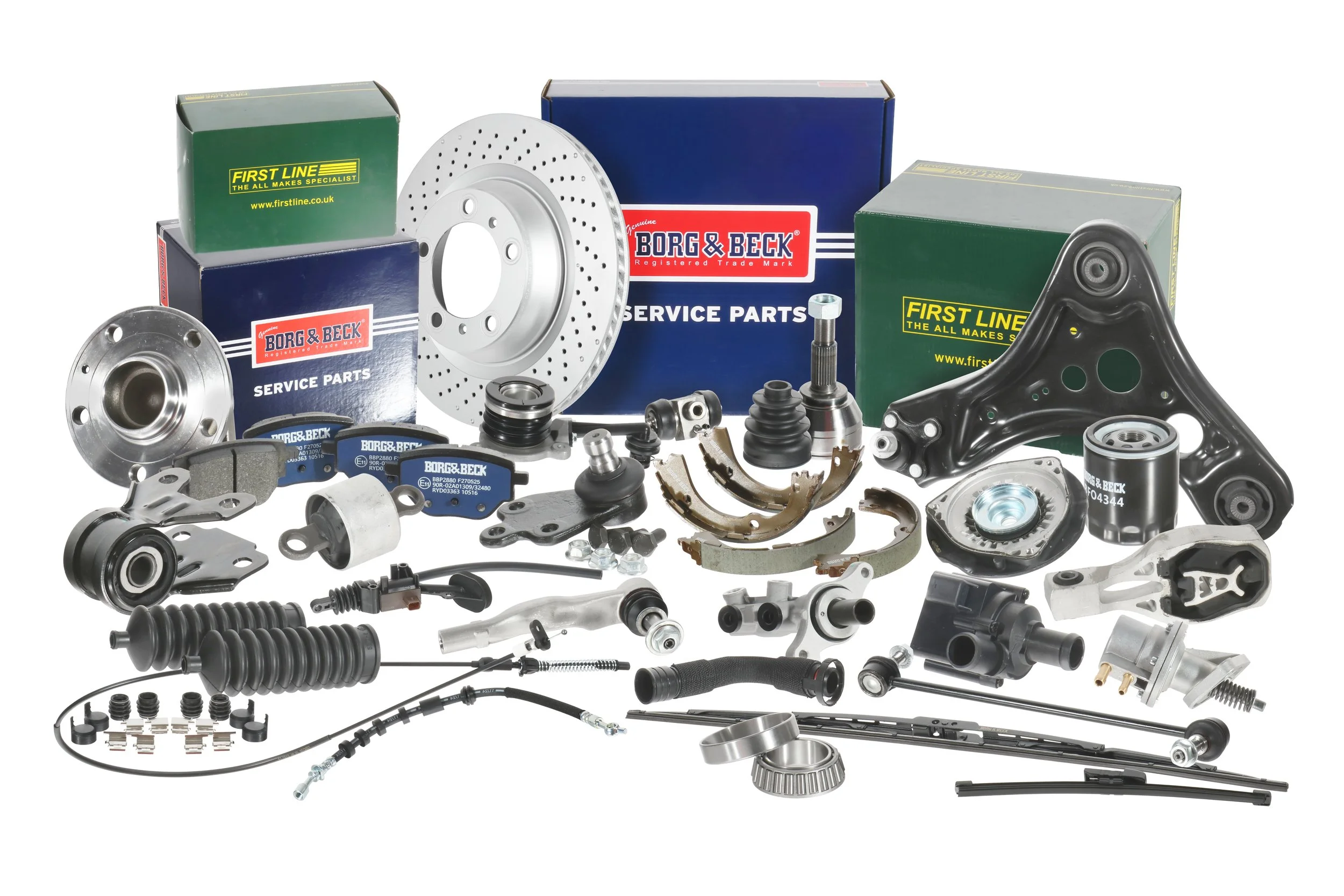
With motorists watching every penny and workshops facing pressure on margins, choosing parts on price alone can be tempting. But First Line Ltd argues that the true cost of a component only becomes clear once the entire repair is considered.
There is nothing wrong with looking for value. In the current market, garages are under the same pressure as their customers to keep costs under control, and offering a competitively priced repair remains an important part of running a successful workshop.
The problem comes when lowest price becomes the primary measure of value.
A component can look like the cheaper option on an invoice, but the initial purchase price represents only a fraction of the potential cost of a repair. If that part is incorrectly catalogued, difficult to fit, missing essential fittings or fails prematurely, any saving can disappear very quickly.
And for a garage, the biggest cost may not even be financial. It can be the customer's confidence in the business.
The real cost starts after the part arrives
Consider a relatively straightforward repair. The vehicle is booked in, a ramp is allocated and the technician begins stripping down the relevant components.
Only then does it become apparent that the replacement part isn't quite right for the application.
Perhaps a mounting point differs. Maybe a fitting isn't included. Perhaps the dimensions are slightly wrong, or the vehicle has a production-specific variation that wasn't identified when the component was ordered.
Suddenly, the vehicle is occupying valuable workshop space while somebody identifies and sources an alternative. The technician has lost productive time, another job may be delayed, and the customer may no longer get their vehicle back when promised.
The price difference between the two parts might have been only a few pounds. The cost to the workshop can be considerably greater.
This is why accurate product data, and cataloguing should be considered part of product quality rather than simply an administrative function. Being able to identify the correct component first time helps workshops reduce delays before the repair has even begun.
When doing the job twice wipes out the saving
Premature component failure creates an even clearer example of false economy.
When a customer returns with a problem following a recent repair, replacing the component itself is only the beginning. The workshop may have to diagnose the fault again, remove the failed component and fit its replacement, often without being able to recover the full cost of that additional labour.
The ramp is occupied for a second time, and the technician is repeating a job that should already have been completed.
That matters in an industry where workshop time is one of the most valuable resources available.
It also changes the conversation with the motorist. From their perspective, they paid a professional to repair their vehicle and expect that repair to last. They are unlikely to distinguish between a component failure and the quality of the workshop that fitted it.
The garage's name is above the door, not the component manufacturers. That makes reliability a commercial issue as much as a technical one.
Fit first time should be the benchmark
Quality is sometimes discussed purely in terms of how long a component lasts, but there is another element that matters enormously to technicians - how easily and accurately it fits.
Correct dimensions, accurate application data and the inclusion of the necessary fittings can all make the difference between a straightforward repair and an avoidable headache.
These details may seem small when comparing two boxes on a factor's shelf, but they can become extremely important when a technician has a vehicle dismantled on a ramp.
Cheap parts can become expensive customers
Independent garages build their businesses on trust. A customer who has confidence in a workshop is more likely to return for servicing and future repairs, recommend it to friends and family and accept professional advice when further work is required.
A comeback puts that relationship under pressure.
Even when a workshop resolves the problem quickly and professionally, the customer has still experienced inconvenience. They have had to make another appointment, return the vehicle and potentially rearrange work or family commitments.
Repeat failures make that relationship increasingly difficult to protect.
Saving a relatively small amount on the original component therefore makes little sense if it puts hundreds or potentially thousands of pounds of future customer value at risk.
Value is different from price
None of this means workshops or motorists should ignore price.
A genuinely cost-effective component is correctly catalogued, fits as expected, performs reliably and is supported if something does go wrong. It allows the technician to complete the repair efficiently and gives the garage confidence when handing the keys back to the customer.