
What type of lift should be considered?
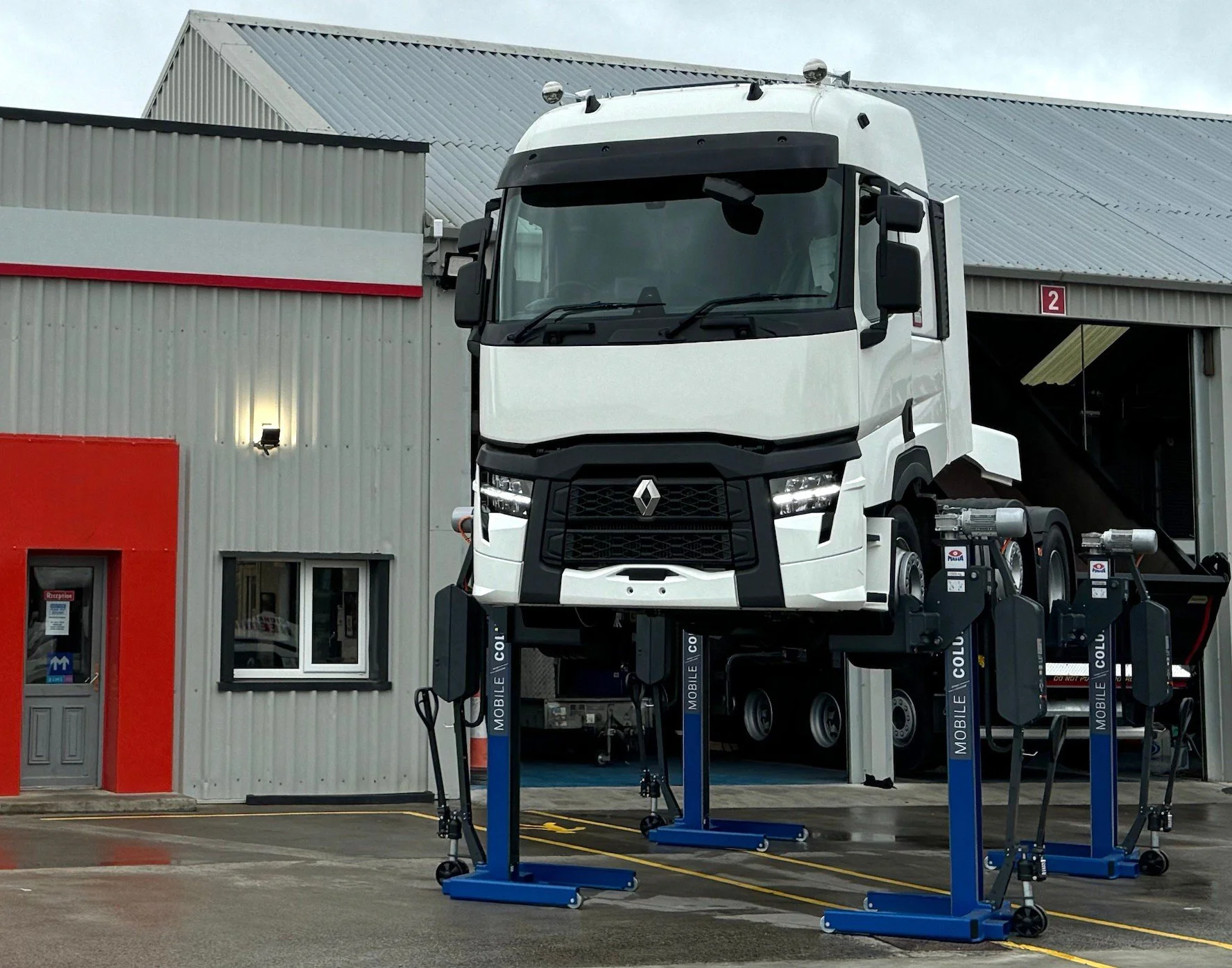
Two-post or four-post, column or scissor, in-ground or above ground – and then there’s the question of vehicle size. Choosing the right workshop lift is rarely a simple decision.
Vehicle technology and the types of vehicles entering workshops are evolving, as are workloads, making the choice of lift an important business decision. Whether an independent workshop inspecting and testing or a large, franchised dealer carrying out regular repairs, servicing and maintenance, there’s a lift for every operation.
Two-post lift: These remain one of the most common choices in independent workshops thanks to their versatility. Using two columns and adjustable lifting arms, they give technicians quick and easy access to wheels, brakes and suspension components – critical areas for frequent service work, MOT preparation or tyre replacements.
Four-post lift: Best suited for wheel alignment, vehicle inspections, MOT preparation and long-term vehicle storage, four-post lifts are often found in larger workshops or specialist centres where stability and accuracy are essential. They generally aid vehicles with integrated rear slip plates and front turn plates and are easy to drive onto.
Scissor lift: These are particularly useful for workshops where space efficiency is critical. Using a folding scissor design, these lifts raise vehicles vertically where floor space and workshop height are limited. Some models can be installed flush with the workshop floor. They are most commonly found in workshops specialising in tyre and wheel work, operating quick service bays and handling a high throughput of vehicles – in other words, fast-fit environments where rapid turnaround is essential.
In-ground lift: Despite higher installation requirements, in-ground lifts are sought-after in dealership workshops and high-end service environments. They offer a clean, uncluttered workspace when not in use and are ideal for workshops prioritising ergonomics and presentation.
Column lift: Designed for lifting large and heavy vehicles, mobile column lifts are common in commercial vehicle workshops, bus depots and fleet maintenance facilities. Individual columns surround and lock onto each vehicle’s wheels, synchronised electronically to lift evenly. Because the columns are mobile, they can be arranged for different vehicle sizes, offering versatility for workshops servicing a variety of vehicles.
What lift should a workshop choose?
There are plenty of lifting solutions to choose from. With some expert guidance, selecting the next workshop lift should be a simpler decision. Business model, safety, efficiency, productivity and adaptability are all crucial factors, especially as workshop demands continue to change. Investing in a lift is a long-term commitment, so selecting the right system for current workloads and future vehicle requirements is essential.