
Why Quality Matters More Than Ever in Modern Forced Induction Systems
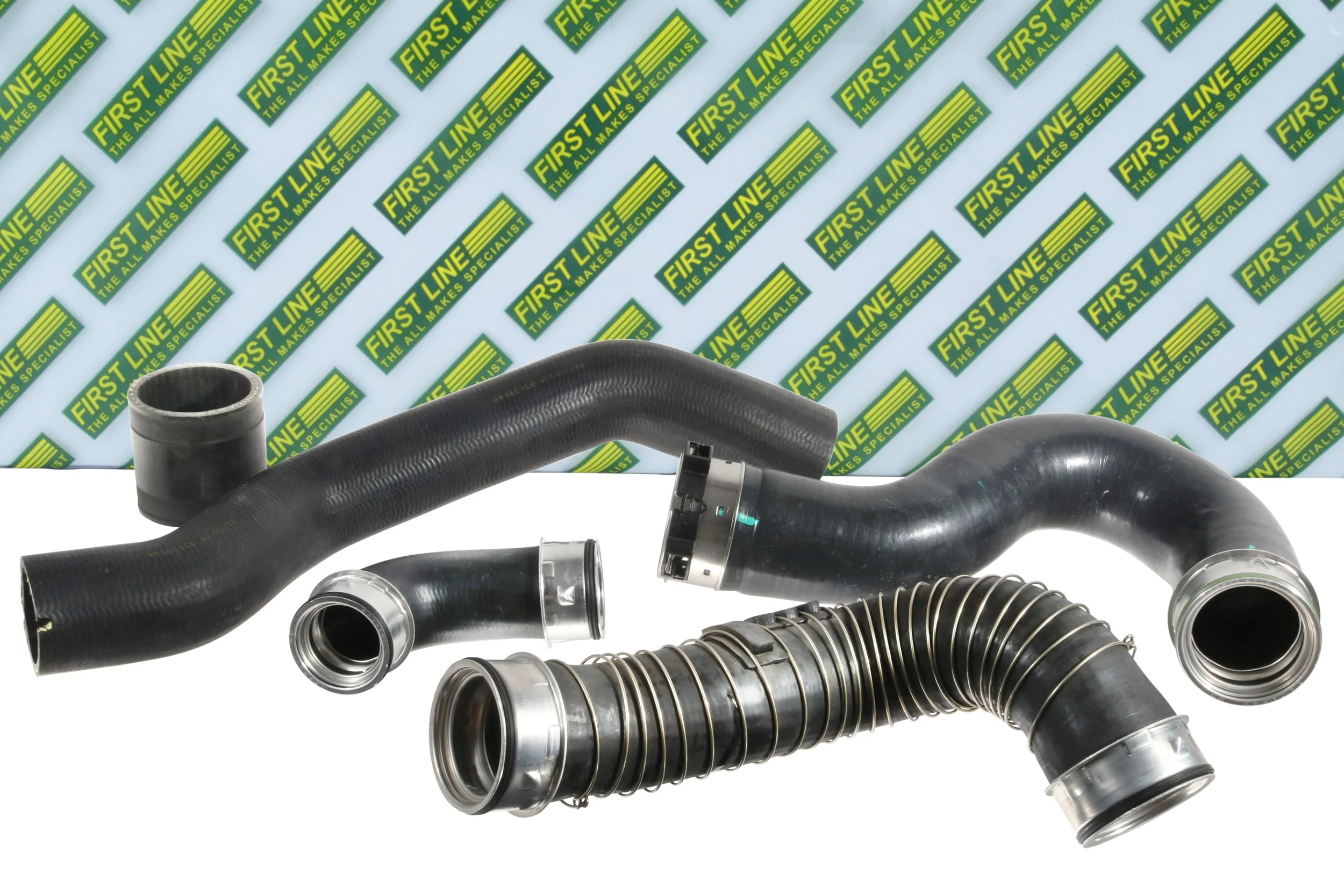
As vehicle manufacturers continue to pursue greater efficiency, improved performance and lower emissions, turbocharging has become commonplace across petrol, diesel and hybrid powertrains. While the turbocharger itself often receives the attention, the network of hoses responsible for moving air and oil throughout the forced induction system is equally critical to overall engine performance.
Operating under constant pressure changes, high temperatures, engine movement and exposure to oil vapour, turbo hoses work in one of the harshest environments under the bonnet. Even a small split, worn connector or poorly fitting replacement hose can result in boost leaks, reduced performance, increased emissions and costly repeat repairs.
Designed for Modern Engines
Unlike conventional coolant or vacuum hoses, turbo hoses must maintain a perfectly sealed system while coping with rapidly changing boost pressures. As modern engine management systems become increasingly sensitive, even minor pressure losses can trigger warning lights, reduced power and increased fuel consumption.
OE-Matching Quality Throughout
Depending on the application, hoses are produced using reinforced silicone or premium-grade rubber formulations that resist:
Extreme operating temperatures
High boost pressures
Continuous engine vibration
Oil and chemical degradation
Long-term ageing
Every hose also features OE-style Henn quick connectors where specified, ensuring factory-accurate fitment and a secure, leak-free seal. To complete the repair, First Line offers a complementary range of more than 35 premium-quality hose clips.
Making Parts Easier to Identify
Correctly identifying replacement turbo hoses can often be one of the biggest workshop challenges, with many modern engines featuring multiple pre-formed hoses that appear almost identical.