
The EV Skills Challenge Isn't Awareness – It's Accessibility
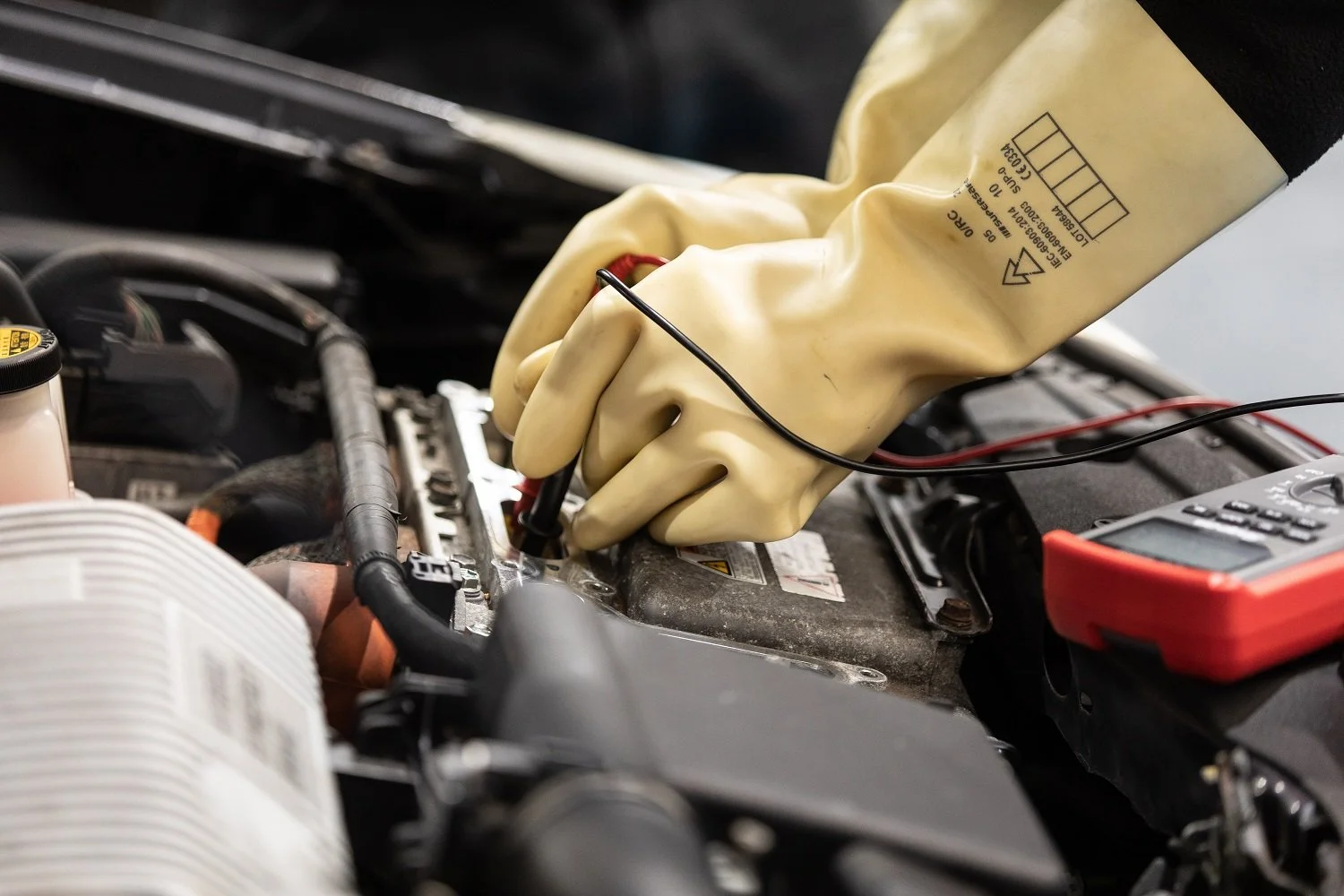
The latest IMI figures highlighting a slowdown in EV training growth have reignited concerns about whether the aftermarket can keep pace with the UK's transition to electric vehicles.
The warning comes at a pivotal moment. While much of the focus remains on new EV registrations, the real shift is now taking place in the used vehicle market. Record numbers of second-hand electric vehicles changed hands during the first quarter of 2026, bringing increasing numbers of EVs into the aftermarket.
This matters because the long-term success of electrification will depend on far more than vehicle sales. As EV ownership becomes increasingly mainstream, motorists need confidence that the right support is available throughout the ownership journey, whether that's access to charging, vehicle maintenance, and repairs.
While much of the national conversation focuses on charging infrastructure, vehicle affordability and consumer adoption, there is another equally important piece of the puzzle: ensuring motorists have access to qualified technicians when their vehicles need servicing, maintenance or repair.
The latest IMI data highlights an important reality. This is not simply a question of how many EV-qualified technicians the industry has. It is also a question of where they are located and whether motorists across the country can access the support they need.
The Independent Sector Will Be Critical to EV Adoption
As more electric vehicles move into the used car market and beyond manufacturer warranty periods, independent garages will play a critical role in servicing, maintaining and repairing them.
For many motorists, their local garage remains their preferred provider for vehicle servicing and repairs. They value convenience, trust and the relationships they have built with local businesses over many years.
That means confidence in electric vehicles is about far more than charging infrastructure or vehicle range. It is also about confidence that when a vehicle needs servicing or repairing, the necessary skills are available locally.
The IMI is right to highlight the importance of continuing to develop EV capability across the industry. If access to qualified technicians becomes concentrated within certain regions or parts of the market, it risks creating barriers not only for workshops, but for motorists too.
The success of electrification will ultimately depend on a strong nationwide network of skilled technicians capable of supporting EV drivers wherever they live.
The Challenge Isn't Awareness
Workshop owners understand that EVs are becoming an increasingly important part of the vehicle parc. They recognise that vehicle technology is evolving rapidly and that new skills will be required to support it.
The challenge is often more practical.
Many workshops continue to face technician shortages, increasing vehicle complexity, rising operating costs and growing customer demand. At the same time, they are being asked to invest in new equipment, new technologies and ongoing training.
For a busy workshop, taking a technician away from productive work is rarely a straightforward decision. Every hour spent away from the workshop has an operational impact, particularly for smaller independent businesses.
This is not a reflection of a lack of commitment to training. It is simply the reality of balancing day-to-day business pressures while preparing for the future.
Industry bodies, including the Independent Garage Association (IGA), have long highlighted the need to support independent garages as they navigate the transition to electric vehicles. For many businesses, the challenge is not recognising the importance of EV skills but finding practical ways to develop them alongside the day-to-day demands of running a busy workshop.
Making Skills Development More Accessible
If EV capability is to grow at the pace required, the focus must be not only on training uptake but also on accessibility.
Training needs to reflect the realities of modern workshop operations. Flexible learning pathways, practical hands-on delivery and programmes that minimise disruption can all help businesses develop capability without compromising productivity.
At Autotech Training, we have seen first-hand how bringing training directly into the workshop environment can help remove some of those barriers. Delivering training at a time and location that suits the garage allows businesses to develop skills while reducing the impact on day-to-day operations.
The objective is not simply to increase qualification numbers but to build confidence, competence and long-term capability across the sector.
Supporting the Next Phase of Electrification
The latest IMI figures are an important reminder that the skills challenge remains one of the most significant issues facing the aftermarket.
The appetite to learn is there. The recognition of the need is there. The commitment to supporting EV customers is there. The focus now must be on ensuring garages across the country have access to the support, training and flexibility they need to develop those skills.
Because ultimately, the success of the UK's EV transition will depend not only on the vehicles being sold today, but on the technicians available to support them tomorrow. Just as charging infrastructure is essential to the future of electric mobility, so too is the network of skilled professionals responsible for keeping those vehicles on the road.