
We tell customers diagnostics are valuable… then give it away for free
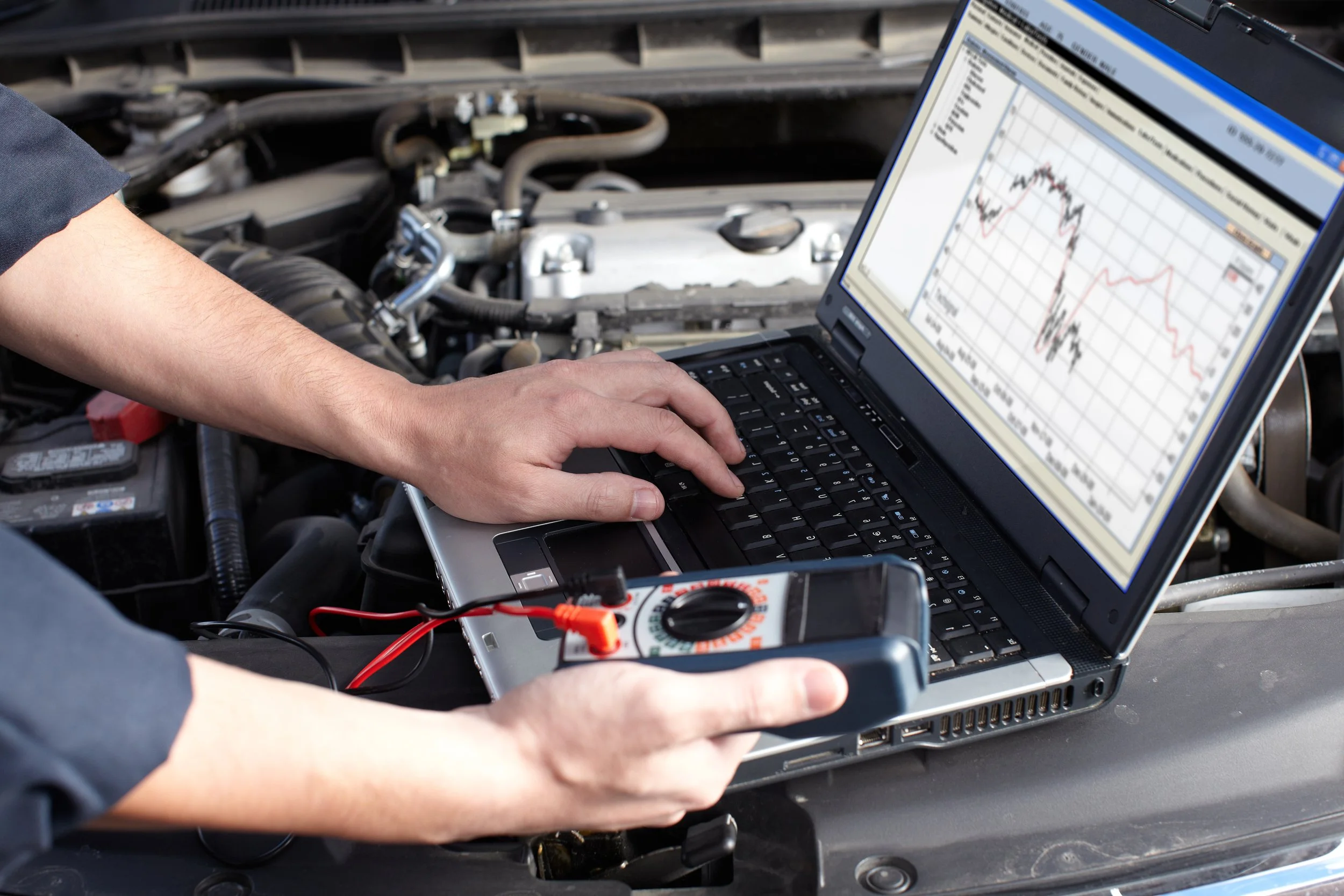
Written anonymously by a Garage InsideR
We spend a lot of time in this trade telling customers that diagnostics is a skill. That it is not just “plugging a computer in”. That it takes years of experience, training, pattern recognition, and judgement. And yet, as an industry, we consistently give it away for nothing.
We are doing this to ourselves.
Most garages will happily plug in a diagnostic tool for free, read fault codes, explain what they mean, suggest likely causes, and sometimes even outline the repair path. All before a single pound changes hands. Then we act surprised when the customer goes elsewhere armed with that information, or questions why a diagnostic fee exists at all.
We cannot have it both ways.
The uncomfortable truth is that we are scared. Scared of losing the booking. Scared of being compared to the garage down the road who will “just have a quick look”. Scared of poor reviews that say “charged me just to plug it in”. So instead of standing by the value of our knowledge, we apologise for it. We discount it. We bundle it away and pretend it is free.
Diagnostics is not a product. It is not a fault code. It is a process. It is the ability to take incomplete, sometimes misleading information from a vehicle and turn it into a reasoned direction of travel. Modern vehicles do not politely tell you what is wrong. They hint. They misdirect. They protect themselves with security gateways and locked functions. Getting to the truth often takes time, method, and experience.
Yet we have trained customers to believe that the thinking part of our job has no value, while the spanner work does.
We would never expect a solicitor to read a case file, give advice, and outline next steps for free. We would not ask an electrician to diagnose a complex fault without charging just because they did not replace a part. But in garages, we still behave as if charging for thinking is something to justify or feel awkward about.
The irony is that diagnostics is where the risk lives. A misdiagnosis costs time, money, reputation, and sometimes goodwill that cannot be recovered. We carry that risk, but we hesitate to charge for the work that reduces it.
Some of this is cultural. We came up in a trade where helping people out mattered. Where having a look felt neighbourly. That instinct is not wrong. But modern vehicles, modern liability, and modern customer expectations have changed the landscape. What used to be a quick favour is now professional analysis using expensive equipment and hard-won knowledge.
If we want the trade to be seen as professional, we need to behave like professionals. That means clearly explaining what diagnostics is, what it is not, and why it is chargeable. Not defensively. Not apologetically. Calmly and confidently.
Because every time we say diagnostics is valuable, then give it away for free, we teach customers that it is not.
And once that lesson is learned, it is very hard to undo.