
GEM warns against fuel-saving myths that could cost you more than you think
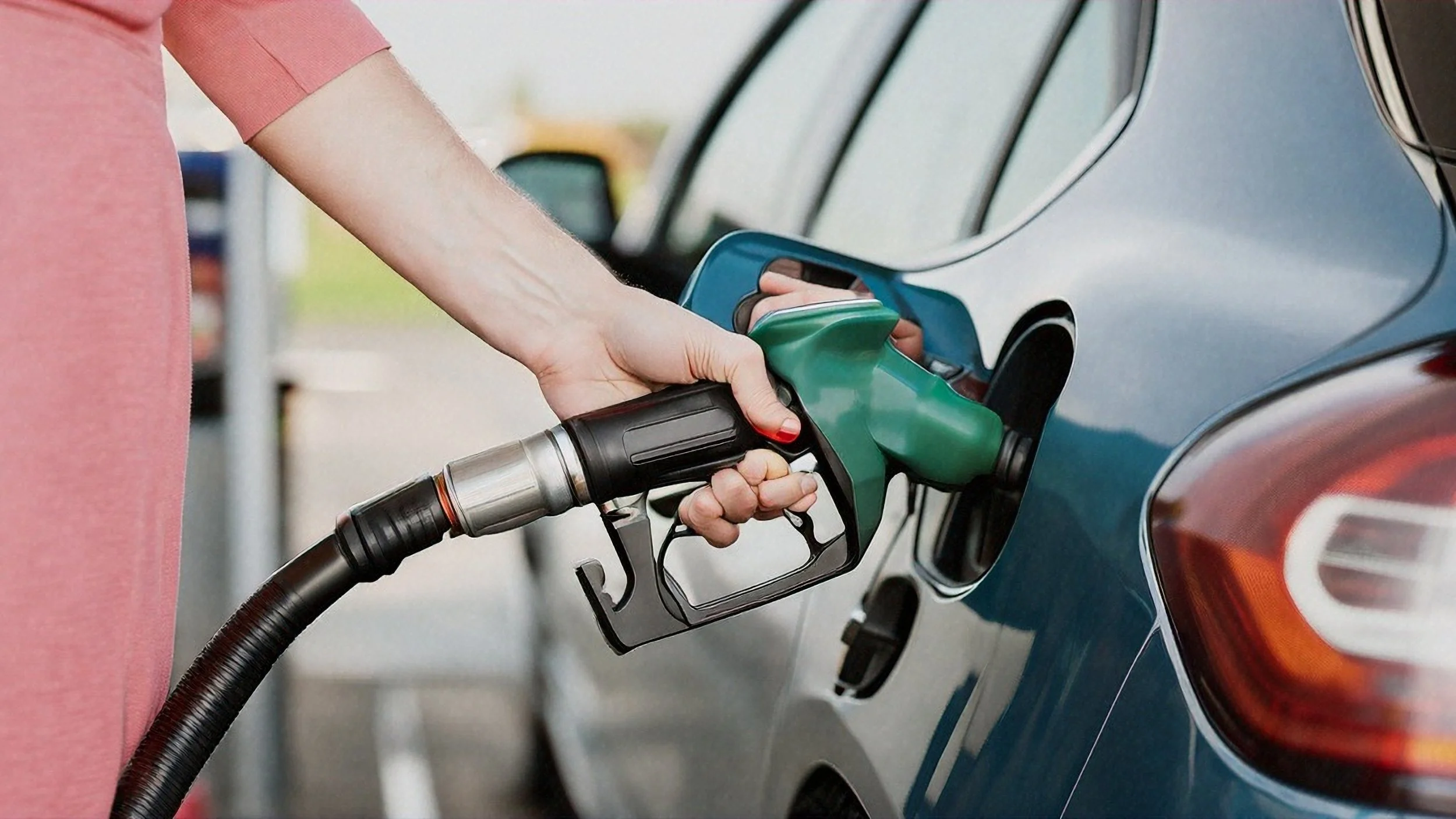
Some fuel-saving suggestions can end up wasting money - and even risking safety.
Efficient driving is about planning, smoothness and good maintenance - not shortcuts.
Small changes in driving style can cut fuel costs by up to 15%1.
Road safety and breakdown organisation GEM Motoring Assist is warning against what it calls “fuel-saving tricks” that can do more harm than good - and even lead to compromises in safety. Modern cars are more efficient than ever, but as fuel prices remain very high, GEM says most drivers will still be looking for quick ways to save. It’s therefore important to know what’s genuine good advice and what isn’t.
Five common myths - and the truth behind them:
Coasting downhill in neutral saves fuel: Modern engines automatically cut fuel when you stay in gear while decelerating. Coasting reduces control and is unsafe.
Avoid air-con at all costs: Turning the air-conditioning off occasionally is fine, but never running it means seals can dry out to leave a less efficient system long-term.
Warm up your engine before driving: Idling wastes fuel. Today’s engines warm up best when driven gently soon after starting.
Over-inflate tyres and keep them “harder” than recommended: Over-inflation reduces grip and increases wear, so always use manufacturers’ recommended pressures.
Fill the fuel tank only half way to save weight: The difference is negligible - but more frequent refuelling costs time and may lead to rushed, unsafe stops.
Five ways to make genuine fuel savings
These simple changes to everyday driving are supported by GEM’s road test team and backed up by robust research:
Smooth acceleration and braking: Gentle use of pedals reduces fuel use and mechanical wear.
Plan routes and journeys: Avoid unnecessary detours and traffic jams by using GPS or route-guidance apps.
Slow down: For example, driving at 80mph on the motorway is not only against the law, it's also costly. Reducing your speed to 70mph can improve fuel economy by up to 25% as well as helping you stay safe and legal.
Reduce excess weight and drag: Remove roof boxes and bike racks when not needed. Empty non-essential items out of the boot.
Keep your car well maintained: Clean air filters, proper tyre pressure and regular servicing make a big difference.
Smarter driving for electric car owners
GEM also offers advice to help EV and hybrid vehicle drivers get the most from every charge. Many of the same safe and smooth driving habits apply, but EVs bring a few specific opportunities to extend range and reduce running costs.
Drive smoothly, anticipate traffic, and slow down gradually.
Regenerative braking works best when speed changes are gradual.
Use eco mode, which limits power output and extends battery range on longer trips.
Keep tyres and charging habits consistent. Well-inflated tyres and avoiding full charge cycles every time extends battery life and efficiency.
Charge at the lowest practical rate. Slower, overnight charging is usually more efficient and gentler on the battery than frequent rapid charging, helping preserve long-term performance and range.
GEM spokesperson James Luckhurst said: “In the current climate of high energy costs, drivers are understandably keen to ensure they use their cars wisely and efficiently, but there are no magic solutions.
“The best gains come from planning ahead, driving smoothly and keeping your car properly maintained. It’s safer, cheaper and better for the environment.”