
Beat the cold: Autoelectro on how to keep cars running optimally this winter
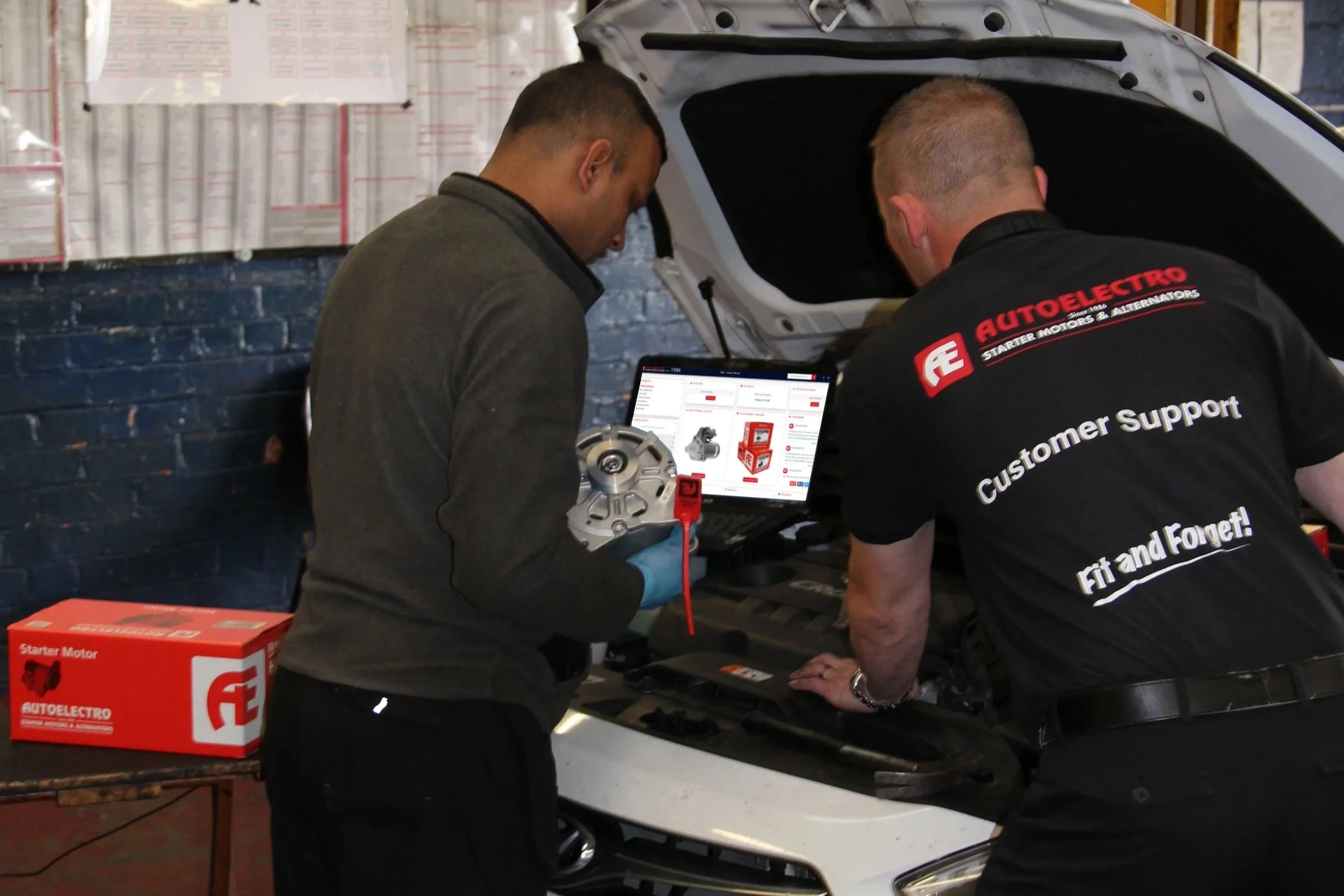
As temperatures drop, vehicles face added strain – and it’s often the electrical system that feels it first. To help professionals and motorists understand the causes – and how to prevent them – Autoelectro’s Harnek Bhogal provides expert insights into common cold-weather electrical issues, what warning signs to look out for, and why investing in OE-quality remanufactured components makes the difference.
From sluggish starts on frosty mornings to high-pitched belt squeals and undercharged batteries, cold weather can quickly expose hidden weaknesses in starter motors, alternators and other key components. These are questions likely to be asked of Autoelectro’s experts:
Q Why could a car struggle to start in cold weather?
A Colder temperatures increase oil thickness/viscosity, which makes the engine harder to turn over. This means, even if the battery is perfectly healthy, the starter motor has to work much harder to crank the engine into life, drawing higher levels of current.
If the starter motor is already worn, this extra resistance means it may struggle to start the vehicle. Also, when the weather is cold, the demand on the alternator is greater because more features of the vehicle that use the electrics are in use, such as headlights, wipers, heating systems etc. This means that the cold weather can expose weaknesses in the existing alternator, which can cause premature failures, leading to the alternator needing to be replaced.
Q What are tell-tale warning signs that something is wrong with a vehicle’s electrics?
A Some tell-tale signs are high-pitched squeals or whining noises. These sounds usually come from a slipping belt – i.e. when the belt slips on the pulley grooves. In cold conditions, condensation on the belt can reduce the level of friction between the belt and the pulley until it has warmed up sufficiently.
This lack of friction can cause the belt to slip, which creates a high-pitched squeal. Furthermore, if the belt is worn, loose or the tensioner has failed, this can reduce the output of the alternator. This means the battery may not be charged efficiently and can result in starting issues too.
Focusing on the starter motor, if there is a ‘clicking’ sound when the vehicle is attempting to start, then there could be an issue with ignition relays, wiring or a low battery condition – all of which can result in the starter failing to produce enough power to turn the engine over.
Q Are short journeys bad for my car during winter?
A Short journeys throughout winter can cause issues, as starting the vehicle uses a significant amount of battery power, and the alternator takes time to replace that charge. If the journeys are only short distances, the alternator doesn’t have time to recharge the battery in full. Consequently, the battery remains in a constant state of undercharge, which can then shorten its lifespan.
Conclusion
Winter conditions test every part of a vehicle’s electrical system, particularly starter motors and alternators. Understanding how cold weather affects performance – and spotting early warning signs – can prevent costly breakdowns and keep motorists on the road.