
Delphi urges workshops to stay ahead as engine management demand continues to grow
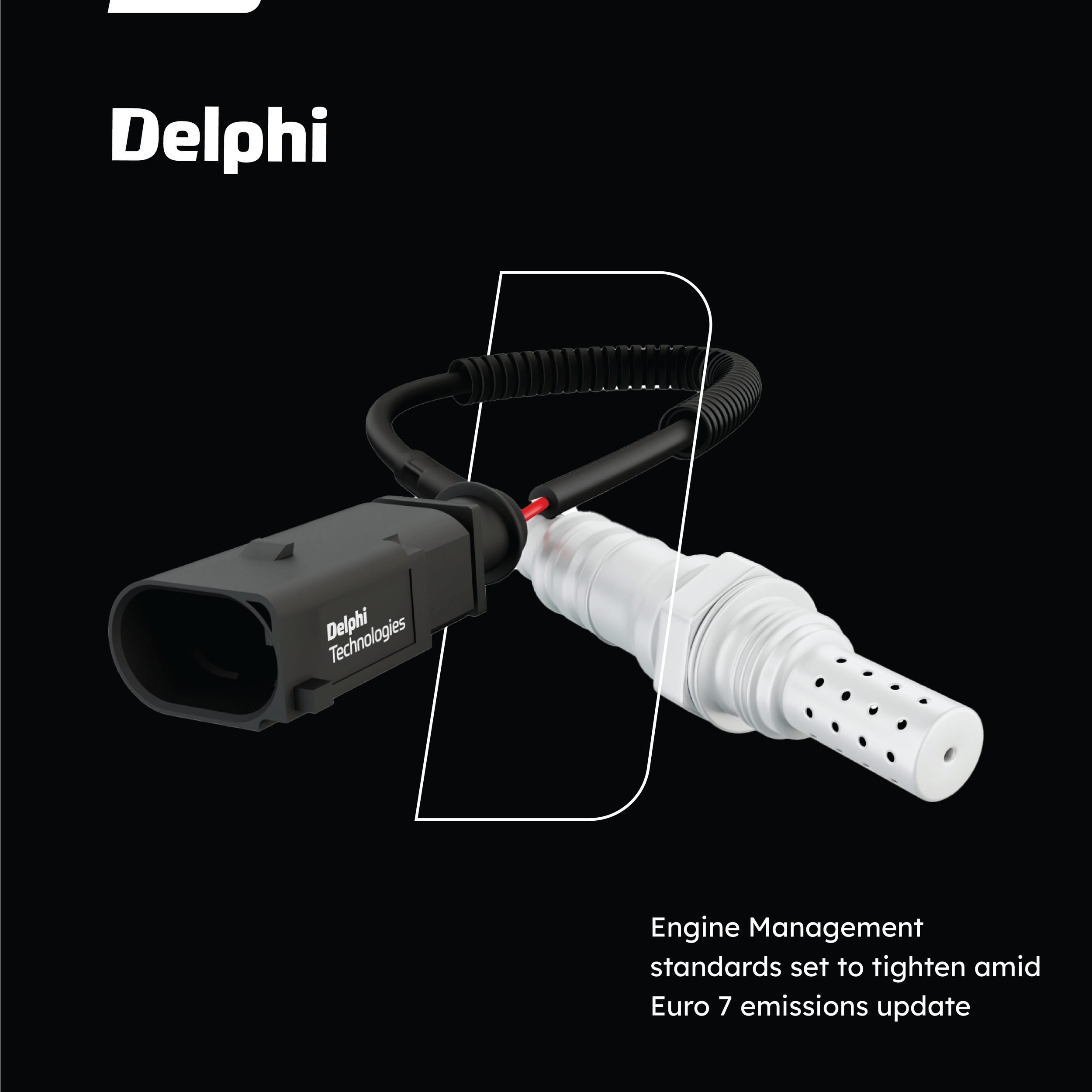
With vehicles become increasingly complex and emissions legislation continuing to evolve, Delphi is encouraging workshops to prepare for the growing demand for engine management repairs by investing in quality components, advanced diagnostics and ongoing technical training.
Ross Williams, EMEA Category Manager – Vehicle Electronics at PHINIA, explained:"We're seeing continued demand for engine management components as motorists keep vehicles on the road for longer. At the same time, manufacturers are introducing increasingly complex emissions control systems, meaning workshops need access to OE-quality components and the technical expertise to fit them correctly."
Many of today's engine management faults are linked to modern driving habits. Short journeys and stop-start traffic prevent emissions systems from reaching their optimum operating temperatures, contributing to faults with EGR valves, diesel particulate filters and oxygen sensors. Sensor failures involving MAF and MAP sensors also remain common, often leading to poor fuel economy, reduced performance and engine management warning lights.
As a result, Delphi says workshops are increasingly adopting a preventative maintenance approach, replacing critical engine management components before failures occur to minimise customer downtime and avoid more expensive repairs.
Williams continued: "Engine management faults are no longer isolated component failures. Modern systems are interconnected, so a single faulty sensor can affect fuel delivery, emissions performance and overall drivability. Accurate diagnosis has therefore become just as important as fitting the replacement part itself."
Choosing quality components is equally critical. Poor-quality engine management parts can produce inaccurate readings, fail prematurely or struggle to communicate correctly with the vehicle's ECU, leading to repeat repairs, fault codes and unnecessary workshop comebacks.
Many components, including EGR valves, also require precise calibration or relearn procedures following installation, making OE-matching quality essential to ensure reliable operation and first-time fix success.
The category is expected to become even more significant as emissions legislation continues to tighten. While Euro 6 regulations introduced increasingly sophisticated emissions control technologies, forthcoming Euro 7 legislation will place even greater emphasis on real-world emissions performance, component durability and long-term reliability.
Although electric vehicles continue to grow in number, hybrid vehicles are also creating new opportunities for the sector. Their internal combustion engines continue to rely on traditional engine management systems, often operating under more demanding start-stop conditions that increase the importance of reliable sensors and emissions control components.
Williams added: "The future of engine management is about much more than replacing parts. Workshops need the right combination of technical knowledge, diagnostic capability and OE-quality products if they're going to keep pace with changing vehicle technology. The workshops that invest in training, diagnostics and quality parts today will be the ones best placed to succeed tomorrow."