
Euro 7 puts filtration quality firmly in the spotlight
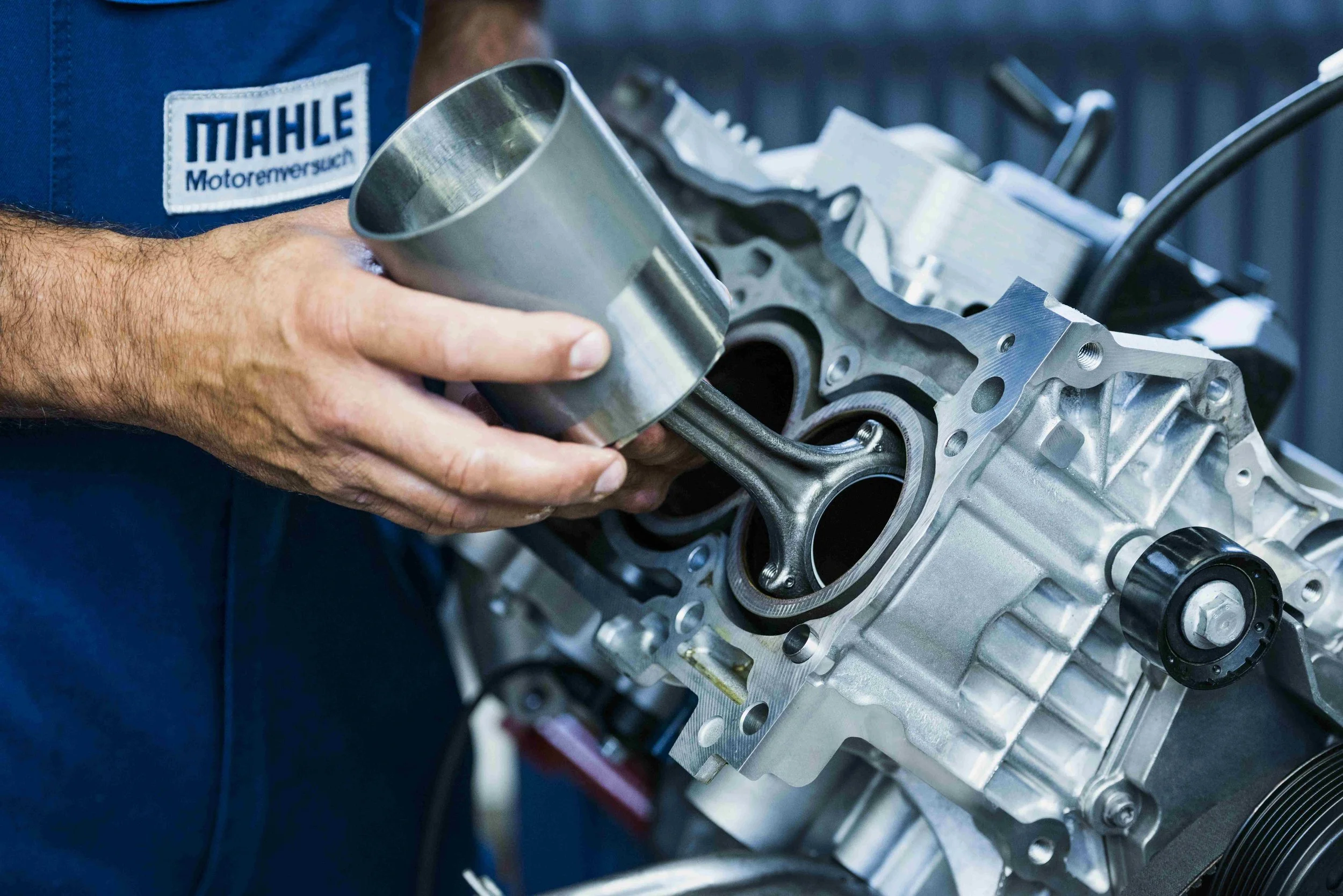
As Euro 7 brings a greater focus on long-term emissions performance and vehicle durability, MAHLE is highlighting the important role that quality filtration will play in helping the aftermarket maintain vehicles throughout their working lives.
While filtration alone cannot determine whether a vehicle remains emissions compliant, it forms an important part of the wider system protecting the engine and emissions-control components. For workshops, this makes the quality and specification of replacement filters increasingly important.
Euro 7 extends the period over which emissions performance must be maintained, increasing the emphasis on the condition of components throughout a vehicle’s life. Against this backdrop, MAHLE believes workshops should consider filtration not simply as a routine service item, but as part of the vehicle’s long-term engine and emissions protection strategy.
Protecting performance from the inside
Air, oil, fuel and crankcase ventilation filtration each have a role to play in protecting the engine.
Effective air filtration helps prevent abrasive particles from entering the combustion chamber, where contamination can contribute to cylinder and piston ring wear. Over time, increased wear can result in greater oil consumption and blow-by, with the potential to affect particulate and hydrocarbon emissions.
Oil filtration is similarly important in maintaining lubricant cleanliness and protecting internal engine components against premature wear, while fuel filtration helps protect increasingly sophisticated injection systems from contamination and deposits that can affect injector spray patterns and combustion quality.
Crankcase ventilation filtration also contributes by limiting the amount of oil mist entering the intake system.
However, MAHLE stresses that filtration should be viewed as one part of a much wider emissions-control ecosystem. Engine calibration, combustion management, catalytic converters, diesel particulate filters (DPFs), selective catalytic reduction (SCR) systems and onboard monitoring all contribute to emissions performance.
Why filter quality matters
For workshops faced with pressure from motorists and fleets to control servicing costs, opting for a lower-cost filter can be tempting. However, the initial saving needs to be considered against the potential long-term consequences.
A lower-quality filter will not automatically result in increased tailpipe emissions. The impact depends on factors including engine design, operating conditions, contamination levels and service intervals.
Nevertheless, inadequate filtration can create pathways through which engine condition and, ultimately, emissions performance may deteriorate.
Reduced air filtration efficiency can allow greater quantities of abrasive material into the engine, while insufficient oil filtration can accelerate wear by allowing contaminants to remain within the lubrication system. Poor fuel filtration can expose sensitive injection components to contaminants, potentially affecting combustion, while ineffective crankcase ventilation filtration may allow greater quantities of oil mist into the intake.
In severe cases, contamination can also contribute to deterioration of downstream emissions-control components, including DPF and SCR systems.
This is why selecting a replacement filter on price alone can represent a false economy. The filter itself is a relatively inexpensive service component compared with the potential cost of injector, engine or exhaust aftertreatment repairs.
A changing aftermarket
Euro 7 is also likely to increase the importance of quality differentiation within the replacement parts market.
As vehicles are required to maintain emissions performance for longer, workshops and distributors will increasingly need confidence that replacement components can support the performance and durability expected of the vehicle.
This does not mean an aftermarket component must necessarily be identical to the original part in every respect. However, replacement components should be selected carefully to avoid compromising engine protection or the performance of the wider emissions-control system.
Will better filtration cost more?
More demanding durability and performance expectations inevitably have implications for component development. Advanced filter media, housing design and increasingly comprehensive validation can all add to manufacturing costs.
As a result, Euro 7-era filtration may carry some additional cost compared with less demanding alternatives, although the impact will vary considerably according to vehicle, engine and filter application.
For workshops and motorists, however, purchase price should be considered in the context of total cost of ownership.
The cost of fitting a quality filter remains relatively modest compared with premature engine wear, injector problems or failure of expensive aftertreatment components.
As vehicles become more technically complex and emissions performance is expected to be maintained for longer, filtration is becoming an increasingly important part of preventative maintenance.
For the aftermarket, the message is straightforward: filters may be routine service components, but their role in protecting the systems around them is anything but routine. With Euro 7 placing greater emphasis on long-term vehicle performance, choosing the right quality filter will matter more than ever.