
Exol highlights why antifreeze and coolant performance matters this winter
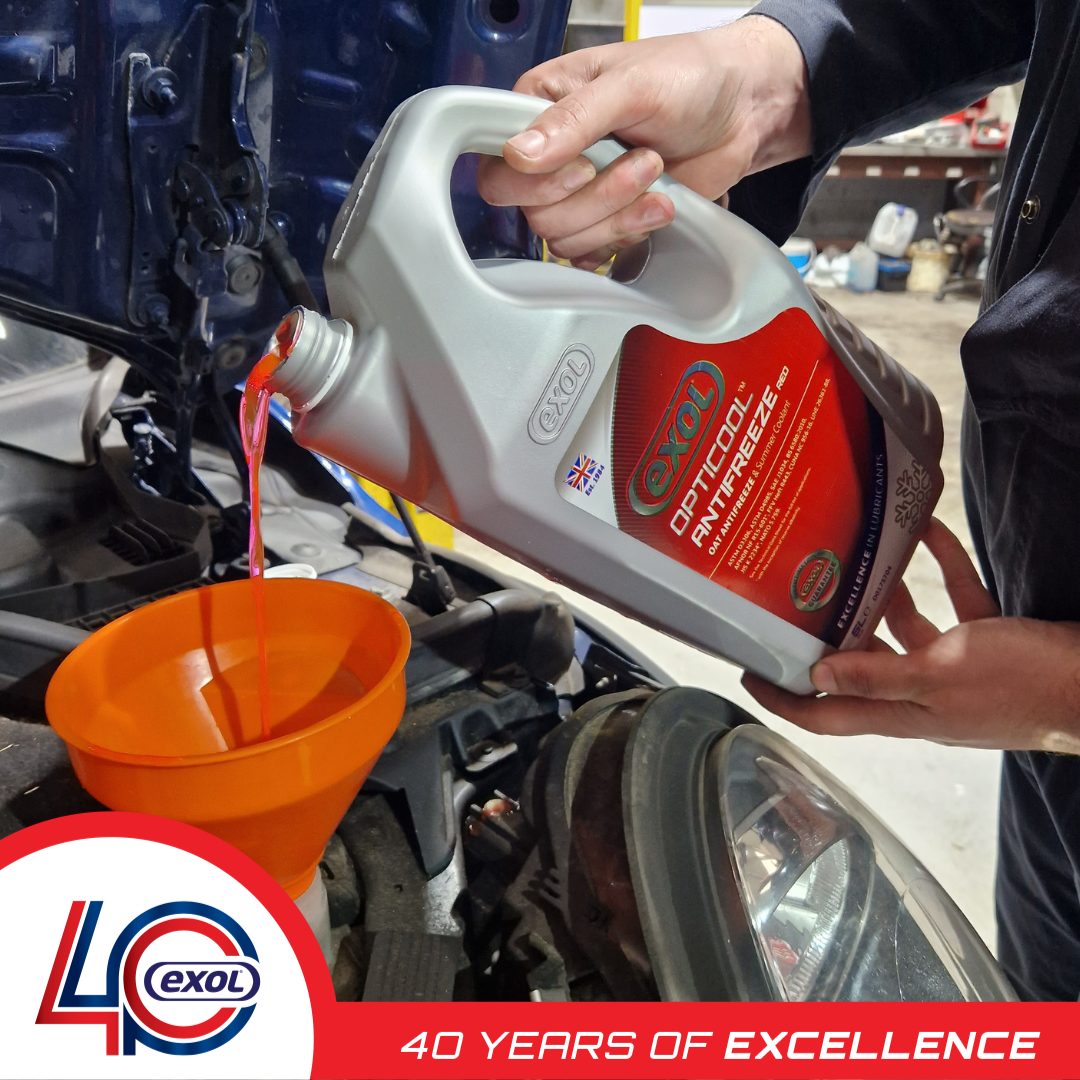
As winter temperatures drop, the role of antifreeze and engine coolant becomes increasingly critical in protecting modern engines, ensuring vehicle reliability and avoid costly downtime. Exol Lubricants is highlighting how the cold weather significantly increases the risk of cooling-system failure - and the importance of making correct coolant choice.
Simon Matthews, Product Development Manager at Exol Lubricants, explains: “In winter conditions, the cooling system is under constant stress. Quality coolant plays a vital role in protecting the engine, maintaining temperature stability and ensuring reliable operation.
“During colder periods, inadequate coolant protection can lead to frozen radiators or cracked engine blocks.”
Beyond freeze protection, modern antifreeze formulations perform several essential functions. They raise the boiling point of the coolant to help prevent overheating under load, inhibit corrosion across aluminium and mixed-metal components, lubricate water pumps to extend seal and bearing life and prevent scale and deposit formation that can restrict heat transfer. By stabilising operating temperatures, antifreeze also reduces thermal stress on critical engine components.
The risks of using poor-quality or incorrect coolant are growing as engines become more complex. “Modern cooling systems use a wide range of metals, often in direct contact,” says Matthews. “Without the correct inhibitor technology, galvanic corrosion can quickly develop, particularly in aluminium radiators, EGR coolers and heater cores.”
Incorrect or low-quality coolant can also lead to sludge formation, clogged cooling passages, water pump damage and overheating. In severe cases, this can impact after-treatment systems such as EGR, DPF and SCR by disrupting exhaust temperature control, resulting in fault codes, derates and increased repair costs – particularly for fleets operating through winter.
Higher operating temperatures, turbocharging, downsized engines and extended service intervals have all increased the demands placed on modern coolants. Advanced inhibitor packages are now essential, forming protective films on metal surfaces, preventing corrosion and cavitation, and maintaining chemical stability over longer drain intervals.
Matthews adds: “Winter is when coolant performance really gets tested. Using a high-quality, correctly specified antifreeze is one of the simplest and most cost-effective ways to protect modern engines, reduce breakdowns and keep vehicles moving through the coldest months.”