
How BM Catalysts continues to drive cleaner performance with emissions innovation
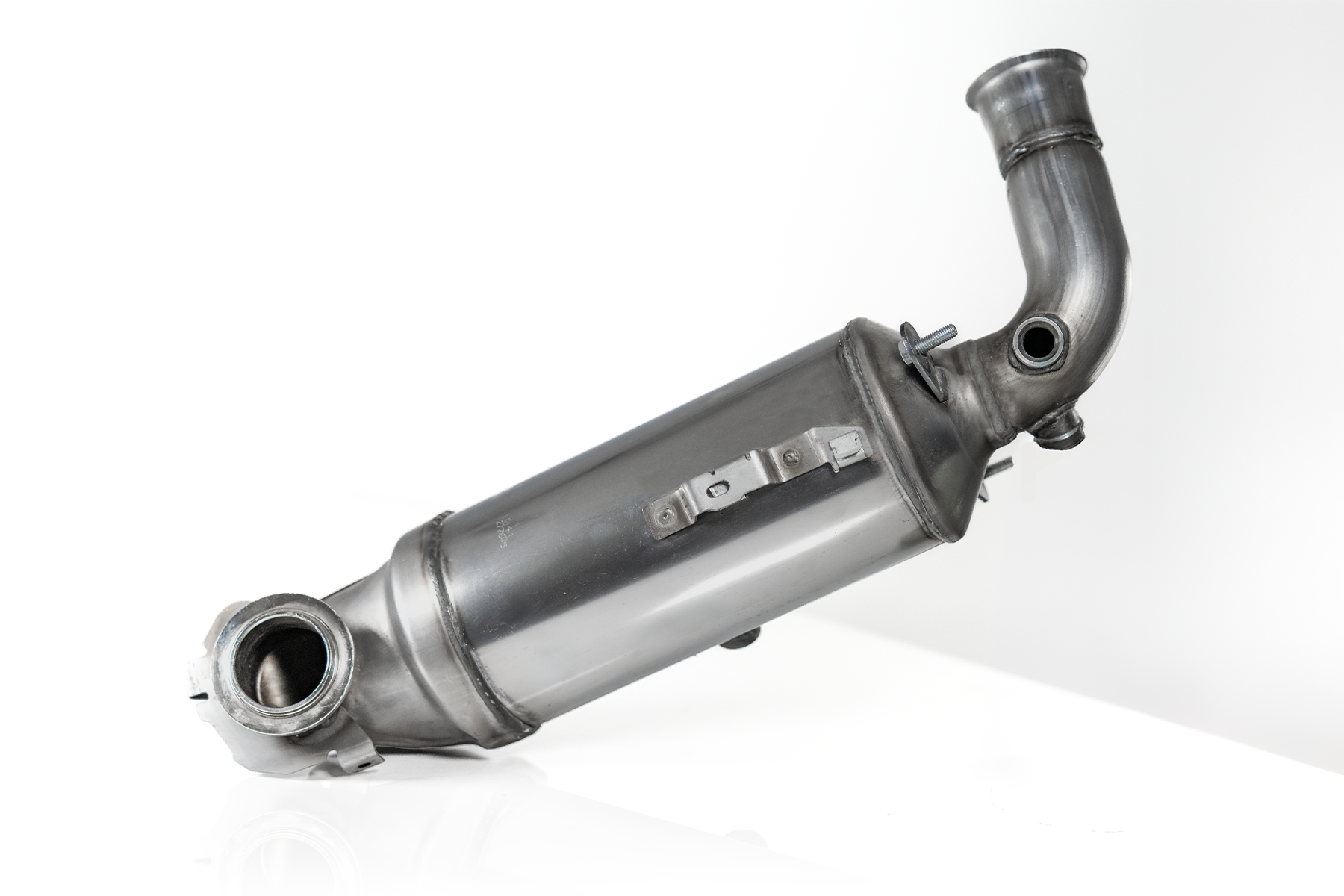
BM Catalysts recognise that in a rapidly evolving automotive landscape, emissions technology plays a pivotal role. Stricter legislations, changing engine designs and increased real-world testing requirements have forced manufacturers to rethink how emissions control devices are made.
That is how BM Catalysts range of Gasoline Particulate Filters (GPFs) were born. The days of relying on conventional catalytic converter technology are long gone. The rise of the gasoline direct injection (GDI) engines introduced a new challenge to the aftermarket. BM Catalysts reacting quickly with a forward-thinking approach, investing in next-generation solutions such as GPFs.
Sometimes referred to as a PPF (petrol particulate filter) or OPF (otto particulate filter) GPFs are specifically designed to reduce particulate (soot) emissions from GDI engines.
Containing a wall-flow honeycomb structure and made from the ceramic cordierite just like BM Catalysts DPF range, these GPFs can withstand high temperatures and are extremely resistant to thermal shock. An importance characteristic, given that petrol engines heat up and cool down much quicker than diesel engines.
By introducing GPF technology into the product range, BM Catalysts signalled a clear focus on future-proofing the aftermarket. Focused not only on meeting todays emissions standards but anticipating the next phase of regulatory and technical requirements as petrol powertrains continue to evolve.
BM Catalysts have done just that, since the introduction of GPFs, 22-part references have been released, providing 288 fitments across the vehicle car parc. All of which align with Euro 6 legislations. BM Catalysts’ GPF range still allows for the chemical reaction to take place when harmful exhaust gases pass through the channel walls of the honeycomb structure. Whereas, in this instance fine particulates caused from the localised rich combustion of GDI engines are reduced to carbon dioxide at the same time as the unwanted hydrocarbons, nitrogen oxides and carbon monoxide are converted into small amounts of carbon dioxide, nitrogen and water.
The development and subsequent growth of the GPF range by BM Catalysts isn’t an isolated move. It reflects a broader innovation strategy; to actively track emerging engine technologies and emissions trends, the respond with engineered solutions to keep pace with or even stay ahead of the market.
Innovation in the aftermarket is not just about new products it is also about confidence. Workshops, distributors and vehicle owners depend on trusted brands to deliver solutions that work first time, every time. With continued investment in advanced technologies such as GPFs, BM Catalysts is helping the aftermarket transition smoothly into the next era of emissions control.