
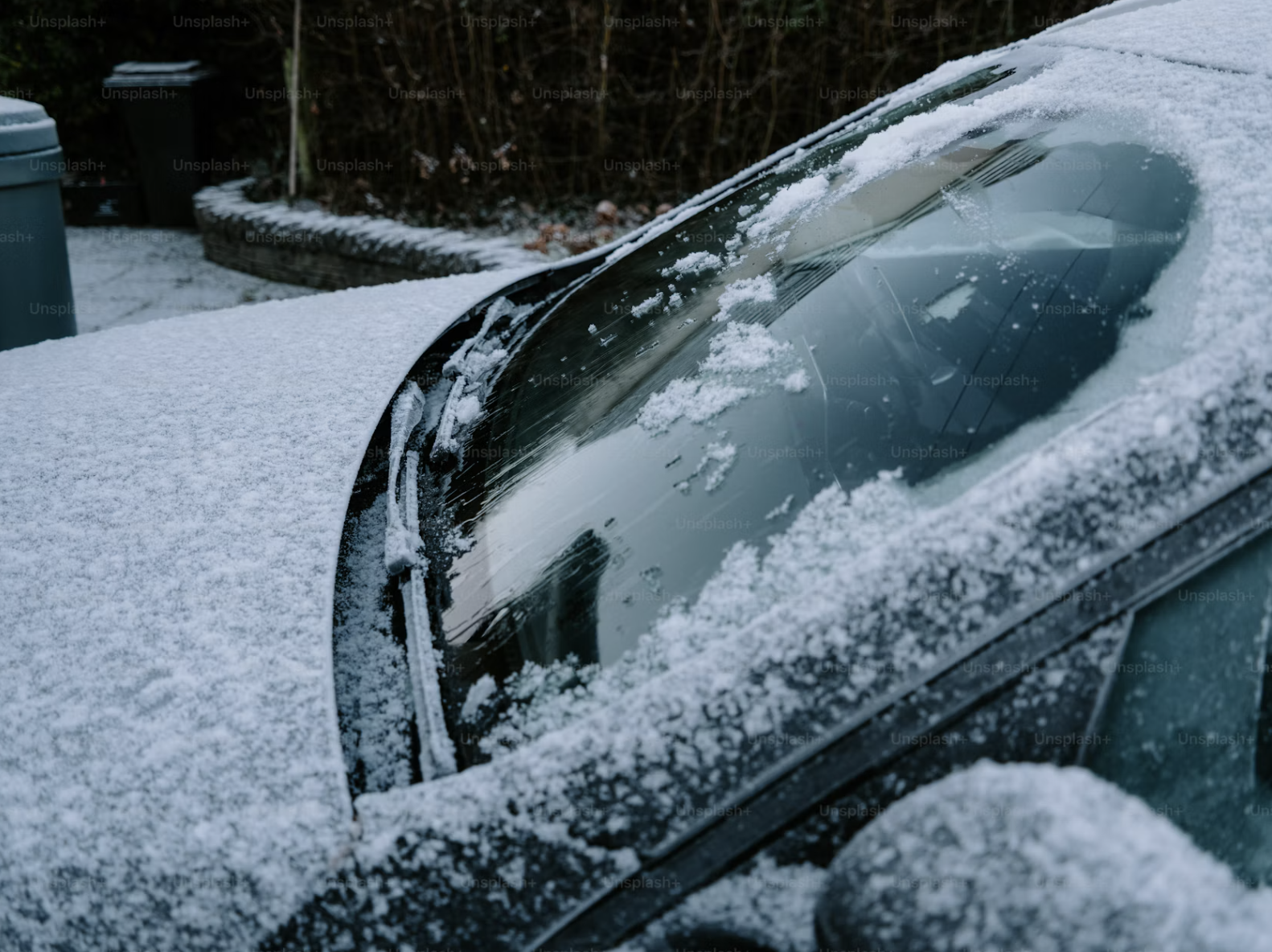
As temperatures fall, winter can place additional demands on vehicle fuel and exhaust systems, creating challenges that garages and technicians should be prepared to address. Cold starts, short journeys and increased stop-start driving can all affect combustion efficiency, potentially contributing to carbon build-up, poor performance and increased emissions.
Cold temperatures make starting an engine more demanding, while vehicles take longer to reach their optimum operating temperature. Where carbon deposits have accumulated within the fuel system, inefficient combustion can be exacerbated, potentially resulting in difficult starting, rough running, reduced performance or increased fuel consumption.
For workshops, identifying these issues early and advising customers on preventative maintenance can help reduce repeat visits and potentially avoid more costly repairs. Keeping fuel and exhaust systems clean should form part of that conversation.
By helping reduce carbon build-up and support cleaner combustion, Cataclean can assist the DPF regeneration process and help maintain exhaust system efficiency. This makes it a useful addition to preventative servicing, particularly for vehicles exposed to winter driving patterns that increase the risk of deposit build-up.
Maddie Bamber, Key Account Manager at Cataclean, commented: “Winter can highlight issues that may have been developing within a vehicle's fuel and exhaust system for some time. Short journeys and stop-start driving can be particularly challenging, so garages have an important role to play in advising customers on preventative maintenance.”