
Spring servicing: the importance of brake inspections after the winter period
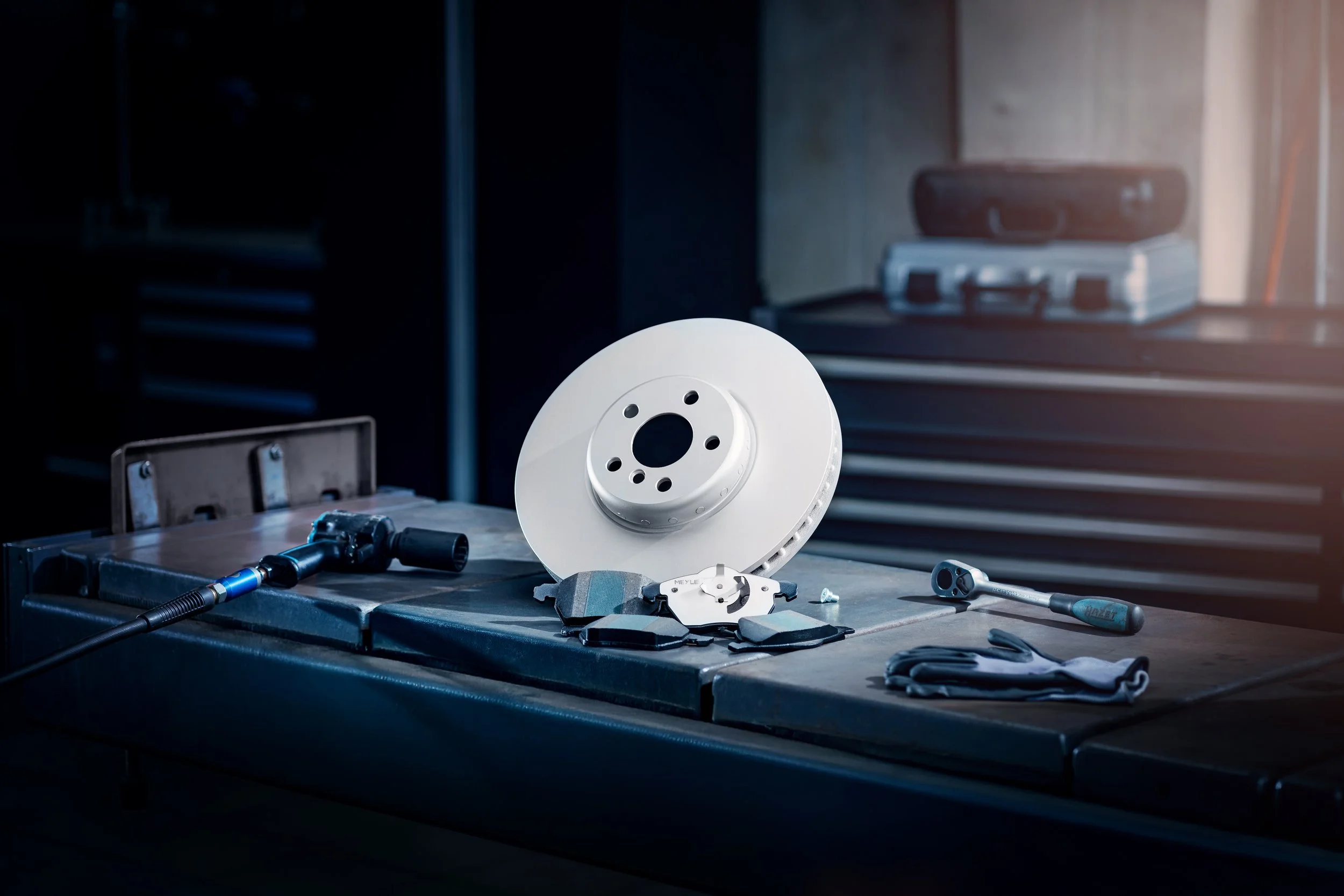
MEYLE is highlighting the importance of spring vehicle checks after the winter period. Road salt, moisture, low temperatures and deteriorating road surfaces all contribute to increased wear across key critical components such as braking - making the composition of materials, accuracy of fit and response times from the very first brake application even more important.
As a safety-critical component, a well-maintained and functional braking system is essential. From the emergence of winter, vehicles are experiencing the effects of harsh seasonal conditions.
The scale of road damage in the UK is significant. Recent research from the Asphalt Industry Alliance (AIA) reported the cost of fixing the potholes on local roads in England Wales is anticipated to cost a staggering £18.6 billion. And it is estimated that there are more than one million potholes across the road network, with defects now a leading cause of vehicle damage and workshop visits. In early 2025 alone, the RAC attended more than 9,000 pothole-related breakdowns in a single quarter, highlighting the growing impact of poor road conditions on vehicle reliability.
For workshops, this makes spring a critical opportunity to assess brake condition, identify early-stage faults and carry out preventative maintenance.
Hitting a pothole can cause significant - and sometimes hidden - damage by impact loads that travel through the wheel hub and into the braking system. This can lead to disc thickness variation, lateral runout and uneven pad wear, often presenting as vibration or pedal pulsation. Repeated impacts may also contribute to disc distortion, while exposure to road salt and moisture accelerates corrosion. All of this over time can lead to reduced braking efficiency, increased stopping distance and premature wear.
Modern braking systems face increasing demands, making material quality essential. High-carbon brake discs offer improved resistance to heat distortion and more consistent performance, while protective coatings help prevent corrosion and simplify installation. Brake pad performance is equally critical, with a stable friction coefficient required to ensure reliable, predictable braking across varying conditions.