
The Pioneers Behind the Automotive Contractor Boom
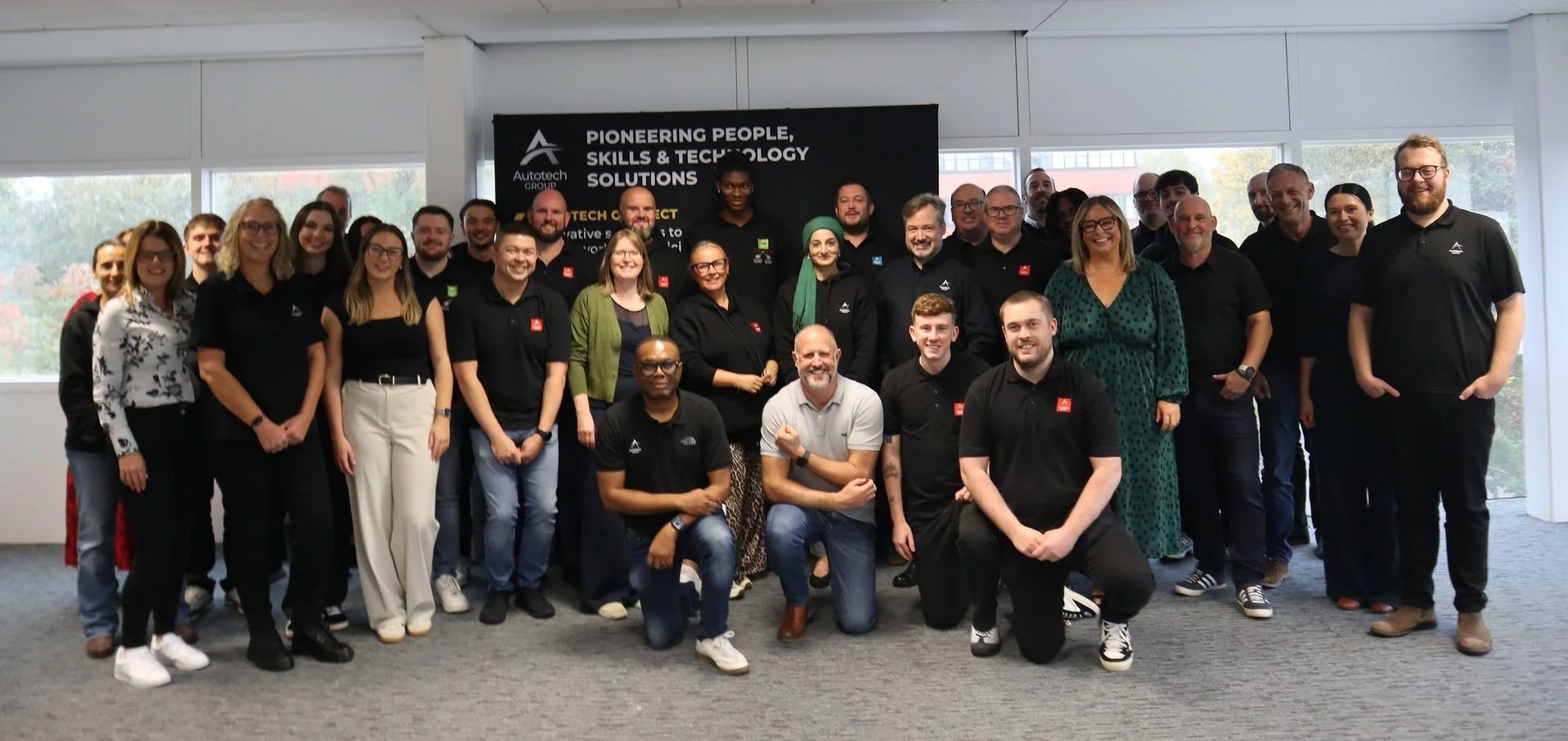
Fifteen years ago, before “contract technicians” was a familiar phrase, Autotech Recruit’s founders were grappling with the issue directly: unfilled vacancies, empty ramps, and workshops losing revenue they simply could not afford to lose. They saw repeatedly how a single staffing gap could derail operations, a frustration that ultimately sparked the creation of Autotech Recruit in December 2010.
What began as a response to a pressing, everyday problem has since evolved into a model now used across much of the automotive aftermarket. Today, temporary technicians are central to how the sector manages fluctuating peaks in demand, skills shortages and the increasing complexity of modern vehicles. But back in 2010, the concept was far from mainstream.
A Model Forged from Reality, Not Theory
Autotech Recruit was built not on assumptions, but on lived experience. Its founders understood the operational consequences of missing technical staff, lost revenue, customer dissatisfaction, reputational damage, long before the skills crisis became a headline issue. That practical perspective shaped a core ethos: solutions must be transparent, compliant and grounded in genuine industry understanding.
This foundation remains central today. More than 70% of the head office team has direct automotive experience, ensuring decisions and services still reflect the realities of the workshop floor.
Contractors Who Reflect the Industry’s Changing Needs
The contractors who joined in the early years didn’t simply adopt the model; they helped shape it, and many remain with the company more than a decade later.
For Tomasz, who joined Autotech Recruit as a contractor in 2012, variety and professional growth were the immediate appeal: “I didn’t want to be chained to one ramp permanently,” he says. “Working in different places gives me the opportunity to learn from skilled technicians with expertise in specific makes and models.”
Tomasz has also witnessed the industry’s rapid evolution: “Cars are more complex and advanced in electronics,” he explains, “but mechanical quality has decreased.” Attitudes toward temporary staff, he notes, have shifted dramatically too: “Initially, contractors were covering short-term contracts, but now there’s little difference between short and long cover.”
Joining in 2013, Simon was looking for a new start after a period out of work. “I rang Autotech on the Wednesday and was in work by the following Monday,” he recalls. He has barely been without work since.
For Simon, the difference lies in a shared set of standards: “I feel part of a team, not an agency.” Many of his assignments have lasted years, allowing him to grow professionally while enjoying the flexibility contracting offers.
Scale and Impact: How the Original Model Grew into a National Workforce Platform
Fifteen years on, the scale of Autotech Recruit’s work reflects the critical role it now plays within the industry. What began as a practical response to operational strain has developed into a nationwide workforce solution supporting workshops of every size.
The company now works with 80% of Motor Trader’s Top 200 dealer groups, alongside OEMs, independents and education providers, illustrating how deeply embedded the organisation has become across the sector. Last year alone, Autotech Recruit delivered nearly 500,000 contractor hours, preventing an estimated £49.5 million in lost revenue for workshops that might otherwise have been unable to operate at full capacity.
Today, Autotech Recruit sits within Autotech Group – a network of four interconnected brands covering long term skills solutions through recruitment, training, future talent and technology. Each of these brands form a workforce ecosystem built from the same first-hand understanding that inspired the company’s launch in 2010.
An Industry Under Pressure - and why the Model Matters More Than Ever
Going into 2026, the aftermarket faces intense pressures: rising operational costs, recruitment delays, legislative shifts and a deepening skills shortage. With technical vacancies now taking an average of 44 days to fill, empty ramps can cost workshops tens of thousands in lost revenue.
Temporary technicians, once a stopgap, are now a strategic part of workforce planning. Autotech Recruit recognised the need for flexibility long before labour pressures made it unavoidable. Their early understanding, that workshops require both stability and agility, is now widely reflected across the sector.
This depth of insight was recently acknowledged at the Global Recruiter Awards, which named Autotech Group Best Specialist Recruitment Company, commending its dedication to solving the unique challenges within its niche.
Quality and Compliance: The Quiet Backbone of the Operation
As the industry’s complexity has increased, so too has the need for complete clarity around compliance. In a safety-critical environment, trust is paramount.
Autotech Recruit’s commitment to rigorous vetting, transparent documentation and continuous improvement was formalised with its ISO 9001 accreditation - a standard few recruitment companies hold. But this wasn’t an initiative added later; it reflects processes embedded since day one.
Contractors feel the benefit too. With access to training, clear expectations and structured professional standards, technicians like Tomasz and Simon can focus on what matters: keeping workshops running safely and efficiently.
What Clients Say: A Partner Who Steps in When It Matters Most
The value of this approach is felt daily in workshops, particularly those under pressure from the skills shortage. HSF Group, a privately owned Volvo retailer, experienced this first-hand when it trialled Autotech Recruit’s manufacturer-led approach to temporary resourcing.
The Group Aftersales Manager reflects: “We were initially sceptical about temporary technicians, but Autotech Recruit completely changed our view. Their ability to train contractors in Volvo-specific skills meant we had skilled people on site within weeks. Over 12 months they delivered more than 6,000 hours of cover, prevented significant revenue loss and kept our service levels stable across all sites.” Today, the Group continues to integrate Autotech Recruit as part of its long-term workforce strategy.
Fifteen Years On: The Model That Changed the Landscape
Since Autotech Recruit first introduced the temporary technician model, many others have entered the market. Several have attempted to imitate the approach as the scale of the sector’s skills crisis has become impossible to ignore. But while the model itself can be copied, the original intent - a deep, first-hand understanding of workshop pressures and an unwavering commitment to quality - is far more difficult to replicate.
The company’s principles have remained constant through industry shifts: an emphasis on compliance, professionalism and contractor development. This is reflected not in claims, but in people. Many contractors who joined more than a decade ago are still working with Autotech Recruit today - an exceptionally rare level of loyalty in such a fluid labour market.
Vehicle technicians like Tomasz and Simon, who have built long-term careers through the contractor model, demonstrate the practical benefits of a system designed with care, rigour and genuine insight.
Their stability and progression show how a model once viewed as unconventional has become indispensable, and why the organisation that pioneered it continues to stand apart. In a market filled with imitators, the longevity and professionalism of its contractor network remain the strongest evidence that the original concept was not only right for its time but built to last.