
The Return of the Simple Fix - Cables and Mechanical Controls in an Era of Expensive Electronics
For the past decade, much of the aftermarket conversation has centred on electrification, while diagnostic equipment has become more sophisticated, vehicle systems more integrated and repairs more complex. Yet as technology continues to advance, the reality on the workshop floor tells a slightly different story.
As the average age of the UK car parc continues to rise, independent garages are seeing more vehicles well beyond their warranty period. With that longevity comes a predictable shift in the type of work required. Corrosion, mechanical wear and environmental exposure begin to take their toll, and increasingly, the faults presenting at the ramp are not electronic at all.
According to the Society of Motor Manufacturers and Traders (SMMT), the average age of cars on UK roads has now risen to over nine years, with the number of vehicles aged over 10 years continuing to grow as owners hold onto vehicles for longer.
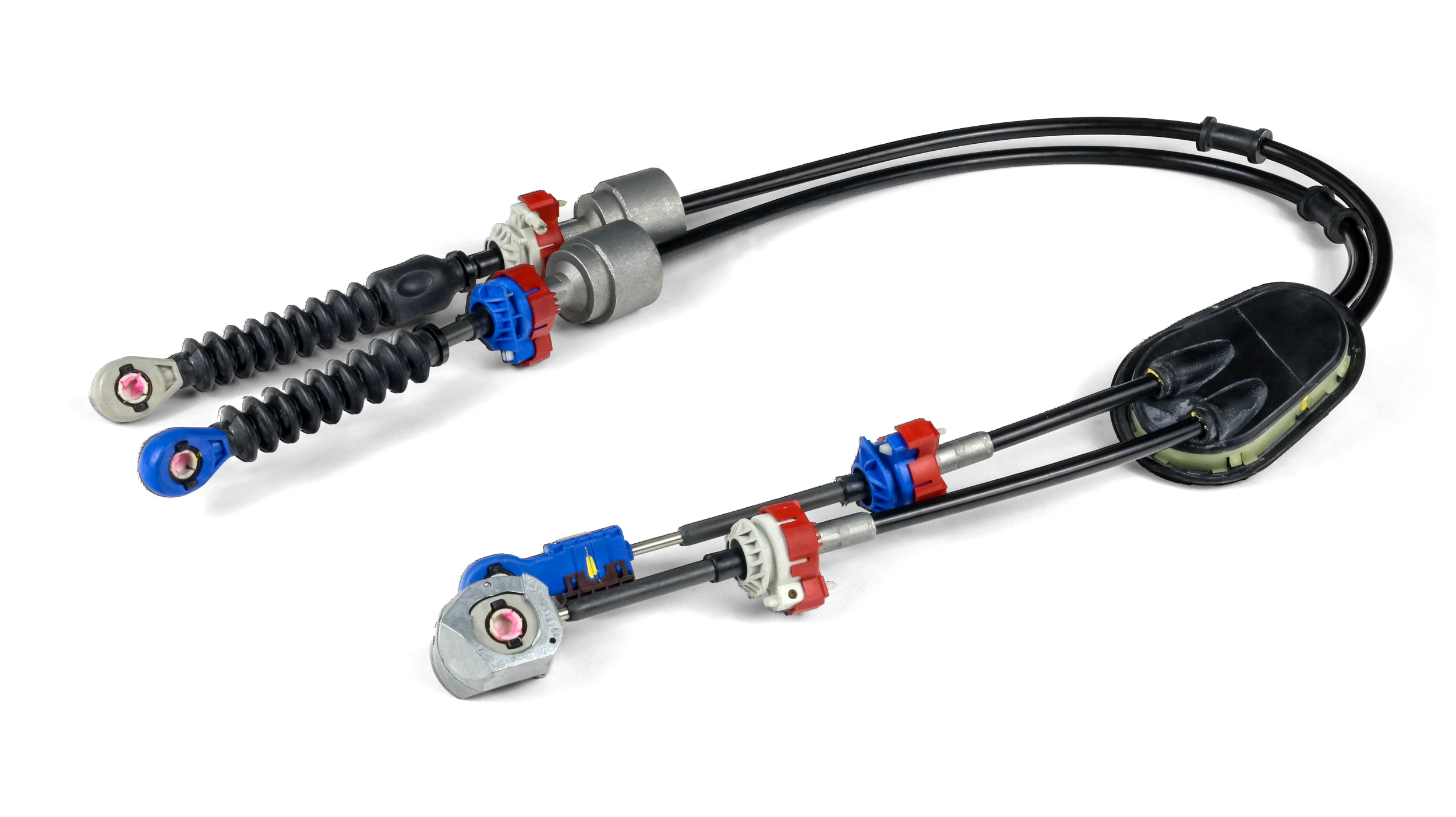
These signs are familiar to experienced technicians when it comes to cables. A handbrake that feels heavy or a clutch pedal that lacks smooth return, are just a couple of examples of issues faced. These issues can sometimes develop so gradually that drivers adapt without realising there is a problem, until an MOT advisory or sudden failure brings it to light.
In fact, data from the DVSA MOT inspection statistics consistently shows that mechanical wear items such as braking components, steering parts and linkages remain among the most common reasons for MOT advisories and failures as vehicles age.
In an era where motorists fear the cost of electronic faults, there is something reassuring about a tangible mechanical fix. Examples are replacement cables that restores smooth operation which can feel like a small victory for both customer and technician. It is visible, understandable and cost-effective. Compared to the potential expense of electronic diagnosis and module replacement, it can feel refreshingly straightforward.
Inspection for worn cables does not require significant additional time. Feeling for smooth pedal movement, checking for even handbrake travel, observing cable routing and examining outer casings for splits or corrosion can quickly highlight developing issues. Correct installation is equally important. Routing must follow the original path without sharp bends or unnecessary tension. Grommets should be correctly seated to prevent water ingress, and adjustment must ensure correct engagement and balance. A few moments spent confirming smooth operation before handing the vehicle back to its owner reinforces professional standards and reduces the likelihood of premature wear.
For independent garages navigating a market dominated by increasingly complex electronics, there is opportunity in these bread-and-butter components. As the vehicle parc continues to age, mechanical wear will remain inevitable. Workshops that proactively identify and address these issues position themselves as thorough, trusted repairers rather than reactive problem-solvers.
Industry organisations such as the Independent Automotive Aftermarket Federation (IAAF) have also highlighted the growing importance of servicing and repairing an ageing vehicle parc, noting that older vehicles require more frequent replacement of mechanical components such as braking and transmission parts.
In an industry racing towards greater complexity, the return of the simple fix is not a step backwards. It is a reminder that some of the most reliable opportunities lie in the fundamentals. First Line Ltd understands that keeping independents profitable is not solely about supplying the latest advanced component; it is also about ensuring consistent access to high-quality everyday parts that form the backbone of workshop activity. Cables and mechanical controls may not currently command attention in the same way as electronic modules, but they are essential to safe, smooth vehicle operation, and to steady workshop revenue.