
Green Parts and the Future of Fleet Repairs
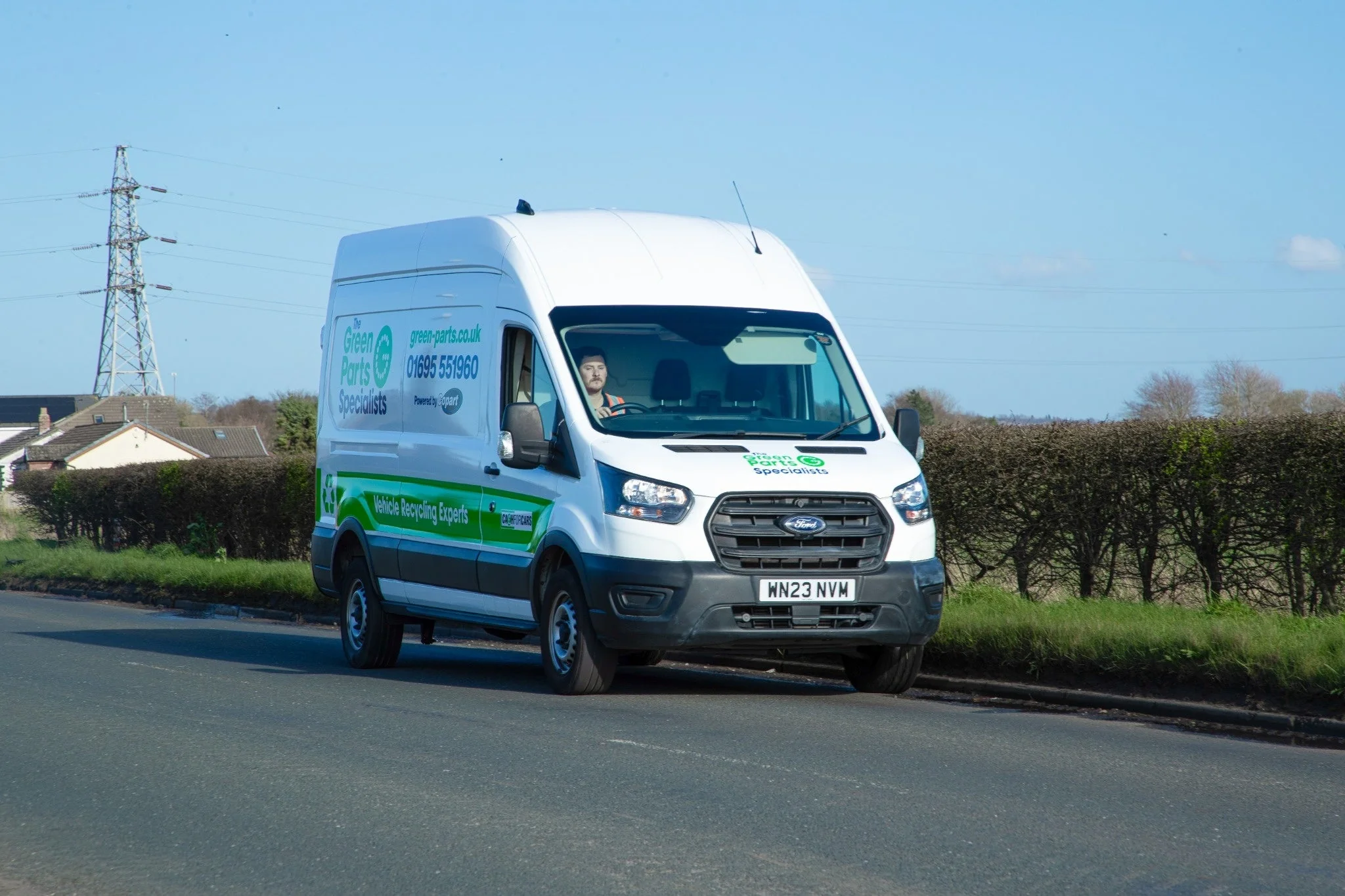
Vehicles are being kept on the road for longer, repair demands are increasing, and the technology behind modern vehicles is becoming more complex.
Whatever challenges come next, we know that the priorities for fleet operators will remain the same: to reduce downtime, manage costs, and keep vehicles moving.
Vehicles Are Staying on the Road Longer
The UK's vehicle parc is bigger than ever, with more than 42 million vehicles on the road today. While EVs and hybrids continue to grow, over 90% of vehicles are still petrol and diesel.
For fleet operators, that means managing an increasingly diverse mix of vehicles. Traditional ICE vehicles still require ongoing maintenance and repairs, while growing numbers of EVs and hybrids are introducing new technologies, components, and future parts requirements.
We're also seeing vehicles being kept for longer. According to the SMMT, nearly half the cars on UK roads are now over ten years old.
Keeping vehicles in service for longer makes financial sense for many fleets, but it also means more wear and tear, more repairs, and greater demand for replacement parts.
For older vehicles, sourcing new components can sometimes be difficult or expensive, creating additional pressure for fleet operators trying to keep their vehicles on the road.
When Parts Become a Problem
For fleets, downtime is a real headache. A vehicle sitting in a workshop isn't delivering goods, attending appointments, or serving customers. Every extra day off the road has a cost attached to it.
Unfortunately, parts availability continues to be a challenge across the industry. Many fleet operators are finding that repairs can take longer than expected simply because the right component isn't readily available.
At the same time, modern vehicles are becoming more complex. Repairs that once involved replacing a straightforward mechanical component may now require cameras, sensors or calibration systems too. What looks like a minor repair can quickly become a much bigger job.
Rethinking Traditional Repairs
As a result, many fleets are taking a fresh look at how they source parts.
Quality recycled OEM parts (green parts) have become an increasingly popular option, not just because they're more sustainable, but because they make commercial sense too.
They can often be sourced more quickly than new alternatives, helping reduce vehicle-off-road time. They also offer significant cost savings, averaging up to 55% less than the equivalent new part.
For fleet operators balancing budgets, uptime, and sustainability targets, it's easy to see why green parts are becoming an increasingly popular choice.
Keeping Fleets on the Street
Whether it's sourcing a hard-to-find component for an ageing van, helping extend the life of existing vehicles, or supporting businesses with their ESG goals, fleets need solutions that deliver results.